


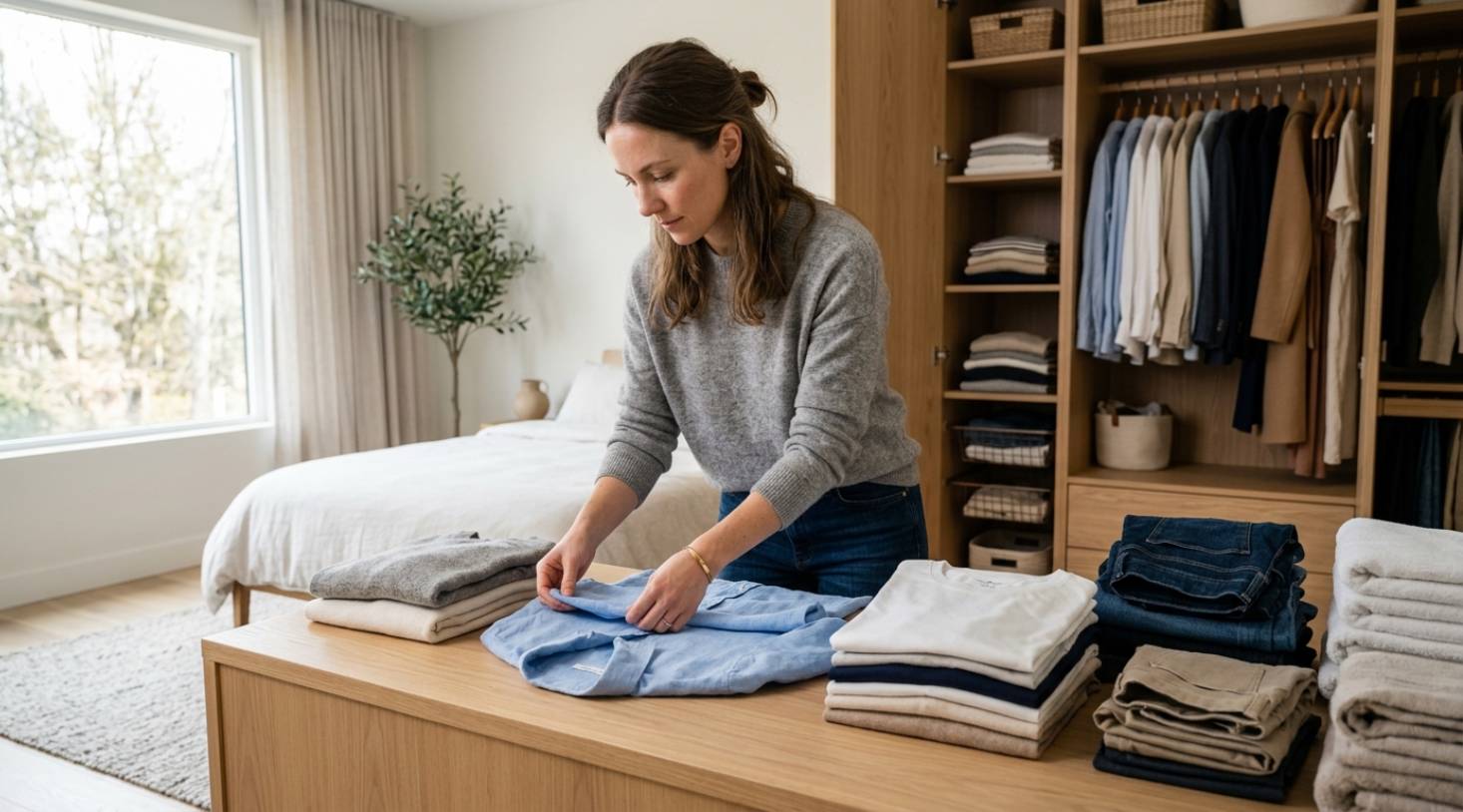
Many people see folding laundry as a mundane chore. In reality, it plays a crucial role in clothing care. Proper folding isn’t just about making your drawers look tidy—it affects how your garments maintain their shape, how efficiently you can store them, and even how long they stay fresh. By understanding the deeper benefits, you can transform a simple task into a practical skill for extending the life of your wardrobe.
Preserving Shape: More Than Just a Pretty Fold
Folding laundry correctly helps prevent unwanted wrinkles and distortions in clothing. Sweaters, for example, can stretch or lose their shape if hung improperly, while t-shirts and blouses stay crisp when folded neatly. By using folding techniques suited to each fabric type, you reduce stress on seams and fibers, keeping clothes looking newer for longer. Rolling delicate fabrics like silk or chiffon can further minimize creasing, showing that folding is both protective and practical.
Maximizing Storage Efficiency
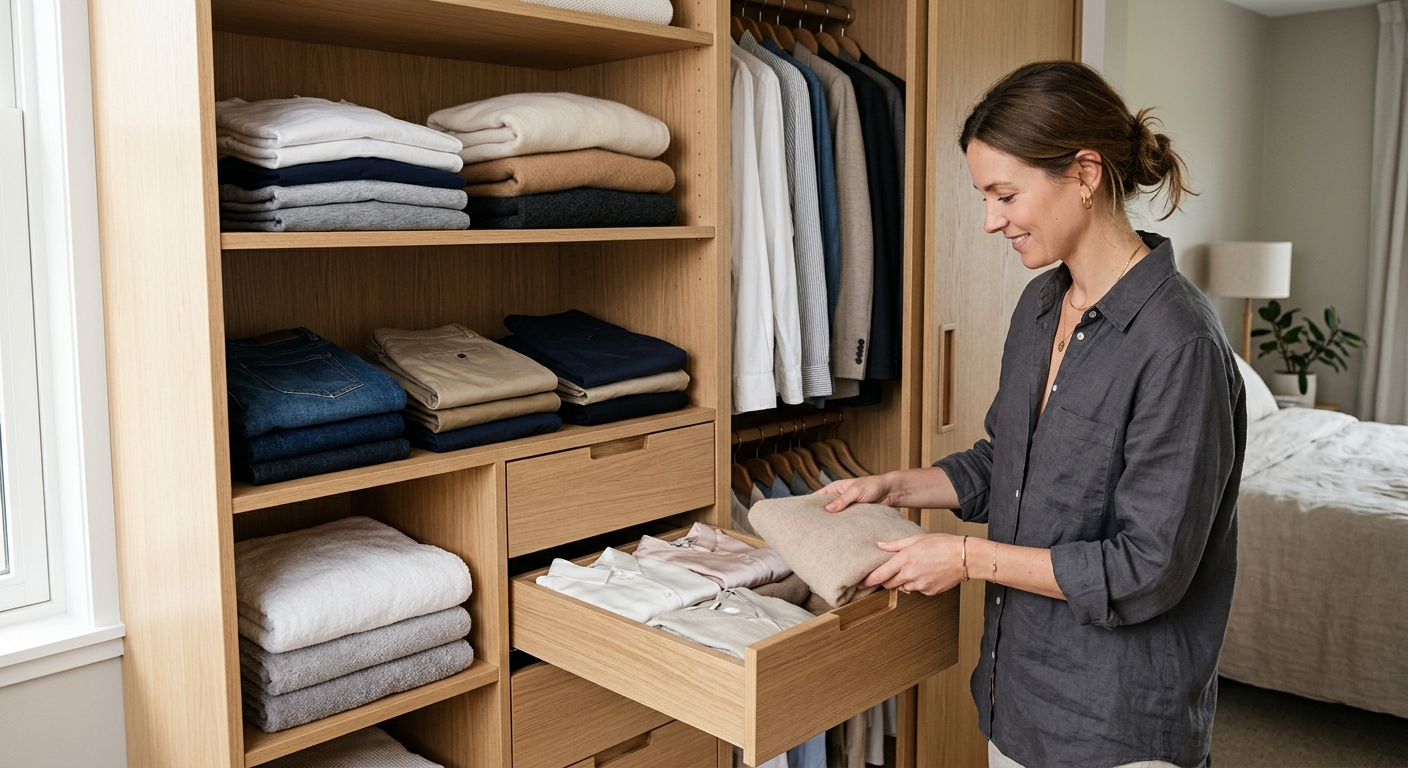
Folded laundry isn’t just visually satisfying—it’s space-efficient. Proper folding allows you to store more clothes in drawers, shelves, or suitcases without creating clutter. Techniques like vertical folding, famously popularized by the KonMari method, make it easier to see every item at a glance, saving time when selecting outfits. Efficient folding isn’t only for small spaces; even large wardrobes benefit from the clarity and accessibility it provides.
Maintaining Freshness and Hygiene
Folded laundry contributes to freshness by limiting exposure to air, dust, and other potential contaminants. When clothes are left crumpled or piled, they trap moisture and odors, which can lead to unpleasant smells or mildew. Folding clothes neatly after drying allows air circulation around the fabric, keeping them fresh longer. Using scented drawer liners or breathable storage containers in combination with proper folding can enhance this effect, giving you a clean, inviting wardrobe experience every day.
Reducing Stress and Simplifying Daily Routines
Organized, folded laundry isn’t only a practical advantage—it has psychological benefits too. A neat drawer or closet creates a sense of calm and reduces decision fatigue when choosing an outfit. Folding clothes immediately after washing turns a potentially overwhelming pile into a manageable, organized system. In the long term, this simple habit can save time and make daily routines more efficient.
Tips for Folding Different Types of Clothing
- T-shirts and Tops: Fold in half lengthwise, then fold in thirds. This keeps the neckline intact and prevents stretching.
- Sweaters: Fold along the seams and avoid hanging to maintain shape.
- Pants and Jeans: Fold in half along the legs, then in half again for compact storage.
- Delicates: Roll or use tissue paper to prevent wrinkles.
- Socks: Pair together and fold neatly, rather than balling them up.
Conclusion: Folding Is a Form of Clothing Care
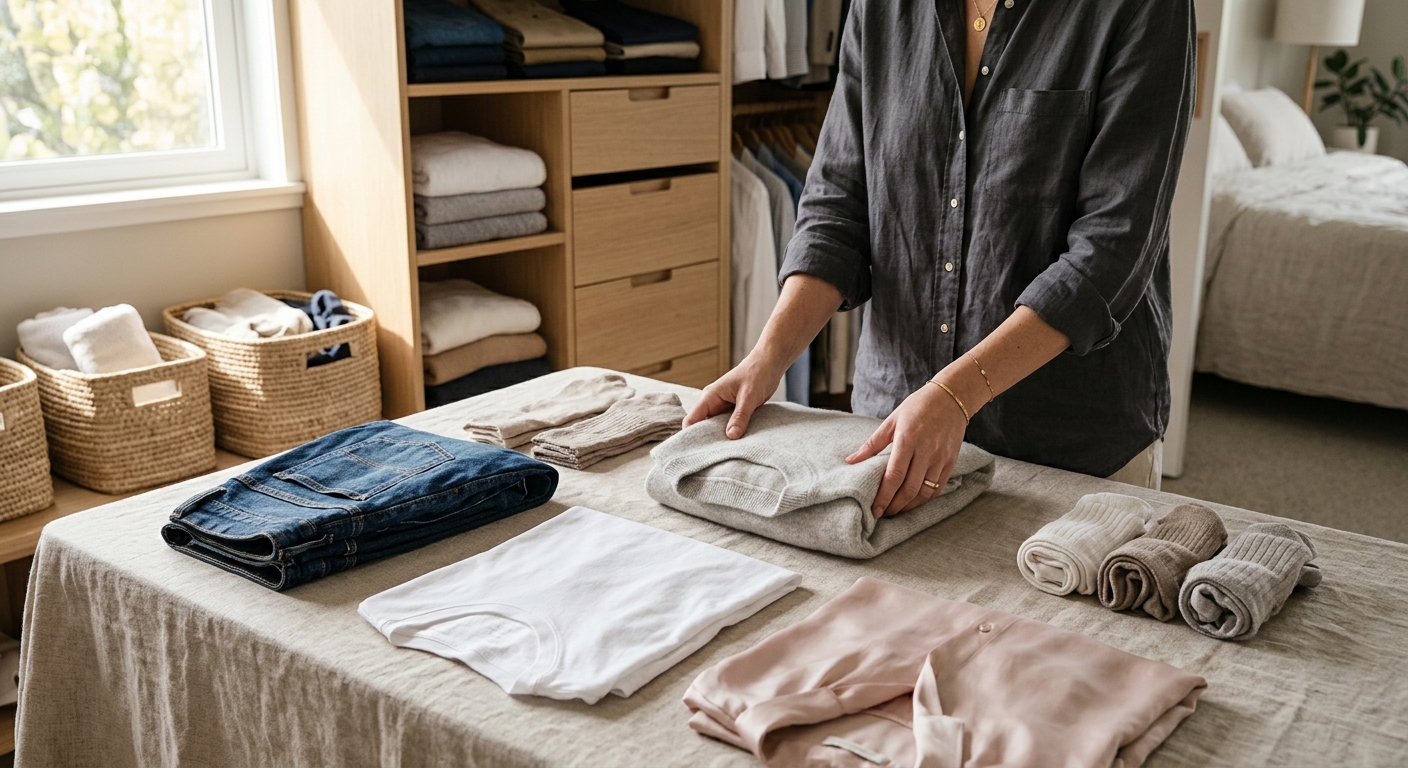
Folding laundry is far more than a cosmetic choice. By preserving shape, optimizing storage, maintaining freshness, and reducing daily stress, it becomes a cornerstone of thoughtful wardrobe management. Treat folding as a skill rather than a chore, and you’ll see the benefits in both your clothing longevity and your daily organization.
