


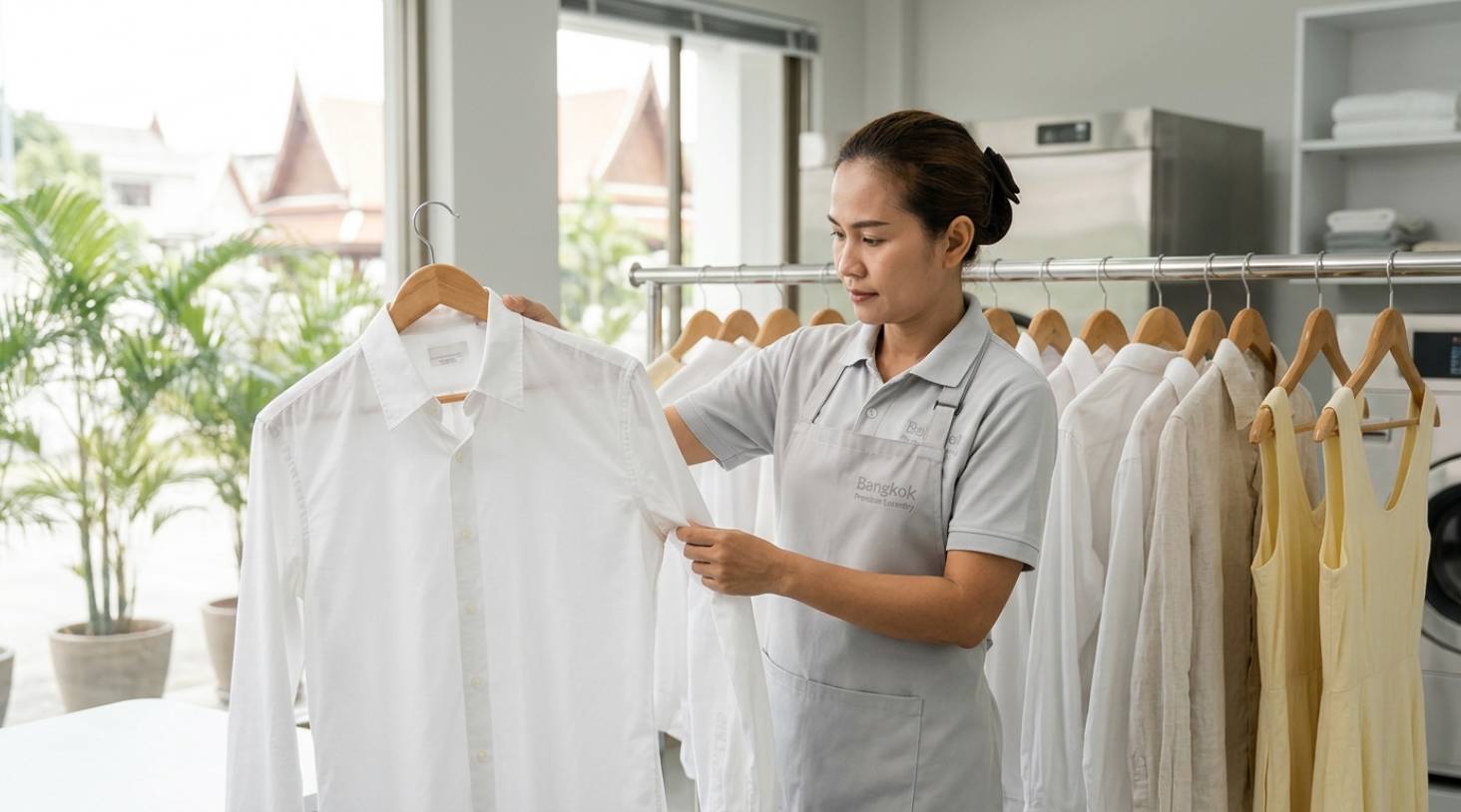
Bangkok's tropical climate can make keeping clothes clean and fresh a daily challenge. High temperatures, humidity, intense sunshine, and frequent outdoor activities can cause sweat marks, sunscreen stains, deodorant residue, and persistent odors to build up on everyday clothing. Even garments that look clean after washing may develop yellow discoloration or unpleasant smells over time if these residues are not removed properly.
Whether you live in Bangkok, work in a busy office, exercise regularly, or are visiting Thailand, understanding how to treat common clothing stains can help preserve your wardrobe and extend the life of your favorite garments.
In this guide, we explain how sweat, sunscreen, and deodorant affect different fabrics, how to remove these stains safely, and when professional laundry services in Bangkok may be the better solution.
Why Bangkok's Climate Makes Clothing Stains More Difficult
Hot weather encourages sweating, while humidity can slow the natural drying process. When moisture remains in clothing for too long, bacteria can contribute to unpleasant odors, particularly in garments that have absorbed sweat and body oils.
Several factors make clothing care especially important in Bangkok.
Excessive sweating: Sweat contains water, salts, and other substances that can leave visible marks on shirts, collars, and underarm areas. When combined with body oils and deodorant ingredients, these residues can become difficult to remove.
High humidity: Damp clothing left in a laundry basket, suitcase, or poorly ventilated room may develop musty odors. Prompt washing and thorough drying help reduce this risk.
Frequent sunscreen application: Sunscreen protects skin from ultraviolet radiation, but its ingredients can transfer onto collars, sleeves, necklines, and other areas that come into contact with the skin.
Daily deodorant use: Some deodorants and antiperspirants leave residues that accumulate in underarm areas. These deposits can combine with sweat and detergent residue, eventually producing stiff fabric or yellow discoloration.
Understanding the source of a stain is the first step toward choosing an effective cleaning method.
How to Remove Sweat Stains from Shirts and Everyday Clothing
Sweat stains commonly appear around the underarms, neckline, back, and chest. White shirts may develop yellow patches, while darker garments can show pale salt marks or stiffened fabric.
Step 1: Check the Care Label
Before treating a stain, check the garment's care label. Cotton, polyester, linen, silk, and wool respond differently to water, detergents, heat, and mechanical action.
Use a gentler approach for delicate fabrics, and avoid home treatments that are not recommended for the garment.
Step 2: Rinse the Affected Area
For washable garments, rinse fresh sweat stains with cool or lukewarm water, following the fabric's care instructions. This helps loosen water-soluble residues before washing.
Avoid using hot water immediately on an unknown stain. Heat can make certain residues more difficult to remove and may affect delicate fibers.
Step 3: Apply a Suitable Laundry Detergent
Use a detergent appropriate for the fabric and follow the manufacturer's dosage instructions. For washable cotton and synthetic garments, a small amount of suitable liquid detergent may help loosen sweat and body-oil residues.
Allow the product to work for the time specified on its label. Gently work it into the affected area without aggressive scrubbing, which can damage fibers or cause pilling.
Step 4: Wash and Inspect
Wash the garment according to its care label. Before tumble-drying or ironing, inspect the stained area under good lighting.
If discoloration remains, repeat an appropriate treatment rather than applying additional heat. Persistent yellowing may require specialized stain removal.
Step 5: Dry the Garment Thoroughly
Make sure the garment dries completely before placing it in a wardrobe or drawer. In Bangkok's humid environment, adequate ventilation and sufficient drying time are particularly important.
How to Remove Sunscreen Stains from Clothing
Sunscreen stains can be surprisingly stubborn because sunscreen formulations may contain oils, emollients, mineral filters, and other ingredients that cling to fabric.
Some products also contain ingredients that can react with minerals in water and contribute to orange or rust-colored marks. The exact result depends on the sunscreen formula and the fabric.
Treat Sunscreen Stains Promptly
First, remove any excess sunscreen from the fabric with a clean spoon or dull edge. Avoid rubbing the product deeper into the fibers.
Next, check the care label and the sunscreen manufacturer's cleaning advice. For washable garments, an appropriate liquid laundry detergent or fabric-safe stain remover may help break down oily residue.
Apply the cleaning product as directed, allow the recommended contact time, and wash the garment according to its care instructions.
What About White Shirts and Light-Colored Fabrics?
Sunscreen stains on white clothing can be particularly noticeable. Avoid immediately reaching for chlorine bleach, as it may damage certain fabrics or react unfavorably with stain residues.
If the stain remains after washing, do not iron or tumble-dry the garment until the affected area has been checked. Heat may make some stains harder to remove.
For delicate blouses, expensive shirts, or garments with persistent orange discoloration, professional stain assessment is a safer option than experimenting with multiple household chemicals.
How to Prevent Yellow Deodorant Stains
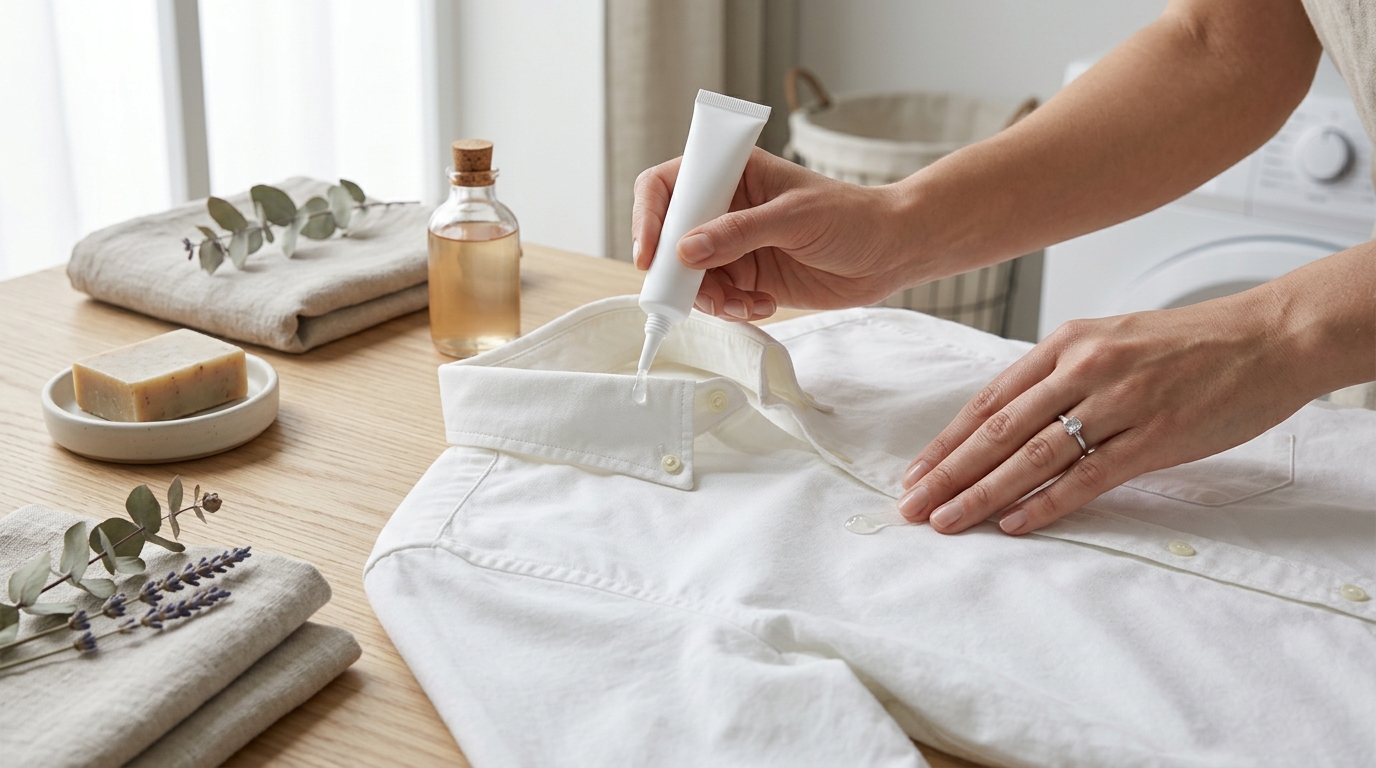
Deodorant and antiperspirant stains often develop gradually. Repeated application, sweat, body oils, and washing residues can combine to produce yellow marks, stiffness, or white streaks.
Let Deodorant Dry Before Dressing
Allow deodorant to dry fully before putting on a shirt. This reduces direct transfer from the underarm area to the fabric.
Using the recommended amount of product may also help prevent unnecessary buildup.
Remove White Streaks Gently
Fresh white marks on dark clothing can sometimes be removed with a clean, dry microfiber cloth or a fabric-safe garment brush. Test any method on an inconspicuous area first.
Avoid forceful rubbing, especially on delicate fabrics or garments with a textured finish.
Treat Underarm Residue Before It Builds Up
For washable clothing, pretreat the underarm area with a suitable detergent before washing. Follow the product instructions and the garment's care label.
If a shirt has developed hard, yellow, or deeply embedded underarm stains, repeated aggressive scrubbing may weaken the fabric. Professional treatment can help assess whether the residue can be removed without compromising the garment.
Different Fabrics Require Different Stain-Removal Methods
Not every stain-removal technique is suitable for every garment. Fabric composition, dye, construction, and finishing treatments all influence how clothing should be cleaned.
Cotton
Cotton shirts and T-shirts are generally suitable for home washing when their care labels permit it. Sweat and body oils can accumulate in cotton fibers, so prompt pretreatment and correct detergent dosage are helpful.
Avoid excessive heat when stains remain.
Polyester and Performance Fabrics
Polyester sportswear and synthetic office clothing can retain body oils and odors. Choose a detergent suitable for synthetic fabrics and follow the recommended washing temperature.
Avoid excessive fabric softener on technical sportswear because it may affect moisture-management performance.
Linen
Linen is popular in Bangkok because it is lightweight and breathable. However, it can wrinkle easily and may be sensitive to aggressive rubbing or unsuitable cleaning products.
Follow the care label and use gentle stain treatment when necessary.
Silk
Silk blouses, dresses, and scarves require extra care. Water, rubbing, and household stain removers may cause color changes, watermarks, or damage to the fabric's finish.
For valuable silk garments, consult a professional cleaner before attempting stain removal.
Wool and Tailored Garments
Wool suits, blazers, and structured clothing should be cleaned according to their care labels. Some garments require professional dry cleaning rather than conventional washing.
Avoid soaking or aggressively treating tailored garments at home, as this can affect their shape, lining, and construction.
How to Prevent Unpleasant Laundry Odors in Humid Weather
Removing visible stains is only part of keeping clothes fresh. Moisture management and good laundry habits are equally important in a tropical city.
Do not leave damp clothes in a closed laundry basket. Move sweaty sportswear and damp garments to a ventilated area until they can be washed.
Wash heavily worn clothing promptly. Gym clothes, work shirts, and garments worn outdoors may need washing after each use, depending on how much sweat and soil they have accumulated.
Use the correct detergent dosage. Adding more detergent than recommended does not necessarily improve cleaning. Excess product can leave residues, particularly when rinsing is inadequate.
Avoid overloading the washing machine. Clothes need enough room for water and detergent to circulate effectively.
Dry garments completely. If indoor humidity is high, use appropriate ventilation or a suitable drying appliance. Do not store clothing while it is still damp.
Clean washing equipment regularly. Follow the manufacturer's instructions for maintaining the washing machine, detergent drawer, and door seals to help prevent residue and musty odors.
These habits can improve everyday laundry results and help protect clothing from avoidable deterioration.
Common Mistakes to Avoid When Removing Clothing Stains
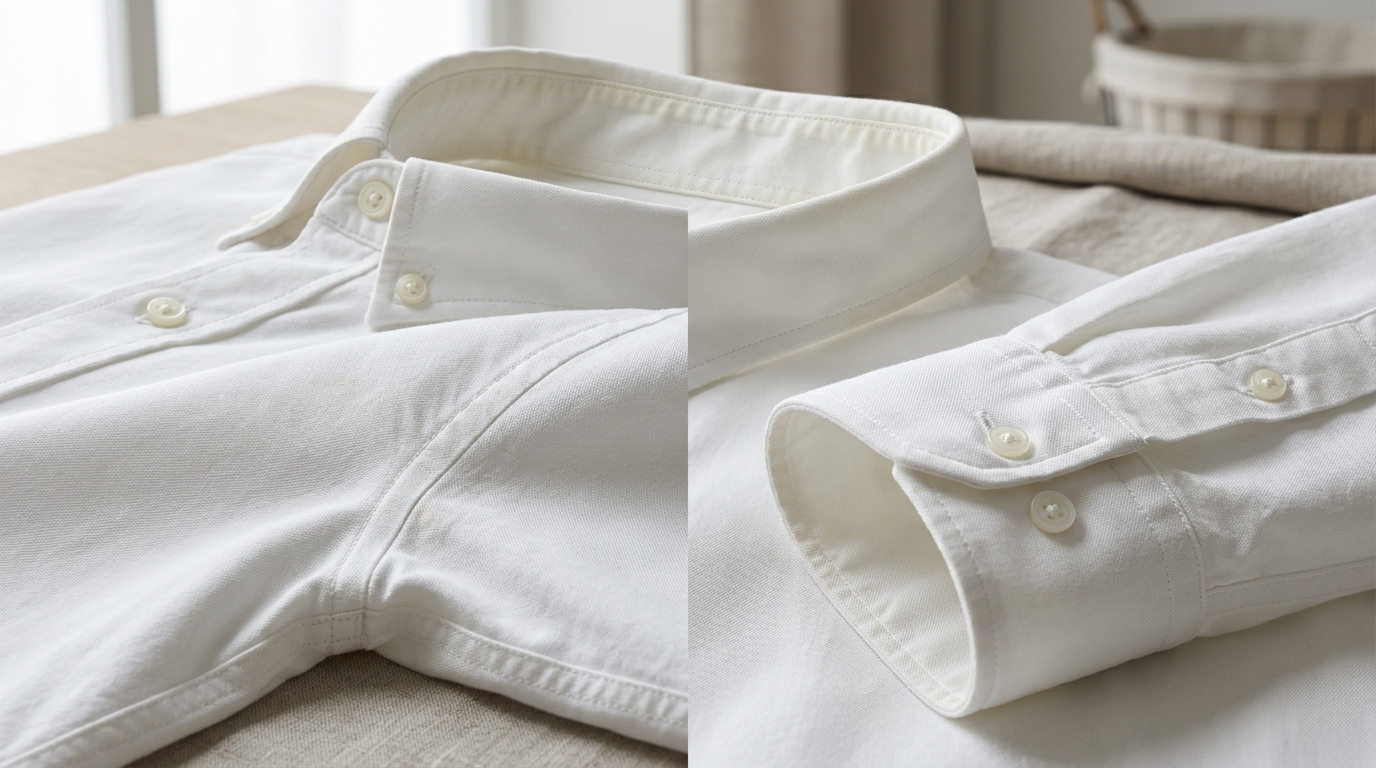
Even well-intentioned cleaning methods can make stains more difficult to remove.
Using Excessive Heat
Hot water, tumble-drying, and ironing may set certain stains or damage sensitive fibers. Check the stain before exposing the garment to high temperatures.
Mixing Cleaning Chemicals
Never mix household cleaning products, particularly chlorine bleach with ammonia, acids, or other cleaners. Dangerous fumes or chemical reactions can result.
Use one appropriate product at a time and follow all safety instructions.
Scrubbing Too Hard
Aggressive scrubbing can damage fibers, fade dyes, and create rough patches. Gentle pretreatment is usually preferable.
Applying Unverified Home Remedies
Vinegar, baking soda, bleach, and other household ingredients are not universal stain removers. Their effectiveness varies by stain and fabric, and some combinations can damage clothing.
Use products designed for the intended material whenever possible.
Ignoring Care Labels
A garment marked for professional dry cleaning should not automatically be treated like an ordinary cotton T-shirt. Always check the label before using water-based cleaning methods.
When Should You Choose Professional Laundry Services in Bangkok?
Home washing works well for many everyday garments, but some stains and fabrics require additional expertise.
Professional laundry or dry-cleaning services may be particularly useful when dealing with:
- Persistent sweat and deodorant stains on work shirts.
- Sunscreen marks that remain after careful washing.
- Delicate silk garments and expensive clothing.
- Suits, blazers, and structured business attire.
- Clothing with repeated odor problems.
- Garments with unclear cleaning requirements or special finishes.
Professional cleaners can assess the fabric, identify potential risks, and select an appropriate cleaning approach. Although not every stain can be removed completely, suitable treatment may improve the garment's appearance while reducing the risk of damage.
Laundry Bangkok offers services including laundry cleaning, dry cleaning, steam ironing, and stain removal. These options can help residents and visitors manage clothing care without spending unnecessary time on difficult stains.
For people with demanding schedules, pickup and delivery can also make it easier to maintain a regular laundry routine.
Keep Your Wardrobe Fresh Throughout the Year
In Bangkok, clothing care is not just about appearance. Regular washing, careful stain treatment, and complete drying help keep garments comfortable and ready for everyday use.
A few simple habits can make a significant difference: treat stains promptly, choose fabric-appropriate products, avoid excessive detergent, and inspect clothing before applying heat.
For delicate garments or stubborn stains, professional assessment can help prevent unnecessary damage and preserve the life of your wardrobe.
Make Clothing Care Easier with Laundry Bangkok
From everyday T-shirts and office shirts to delicate garments and tailored clothing, maintaining a clean wardrobe can take time and attention. Bangkok's hot and humid climate makes it especially important to manage sweat, sunscreen residue, and persistent odors correctly.
Laundry Bangkok provides laundry and dry-cleaning solutions designed to make garment care more convenient. Whether you need help with everyday washing, stain removal, or steam ironing, professional support can help simplify your routine.
Visit Laundry Bangkok to explore available services and arrange laundry assistance.
Keep your clothes looking their best, even in Bangkok's tropical climate.
