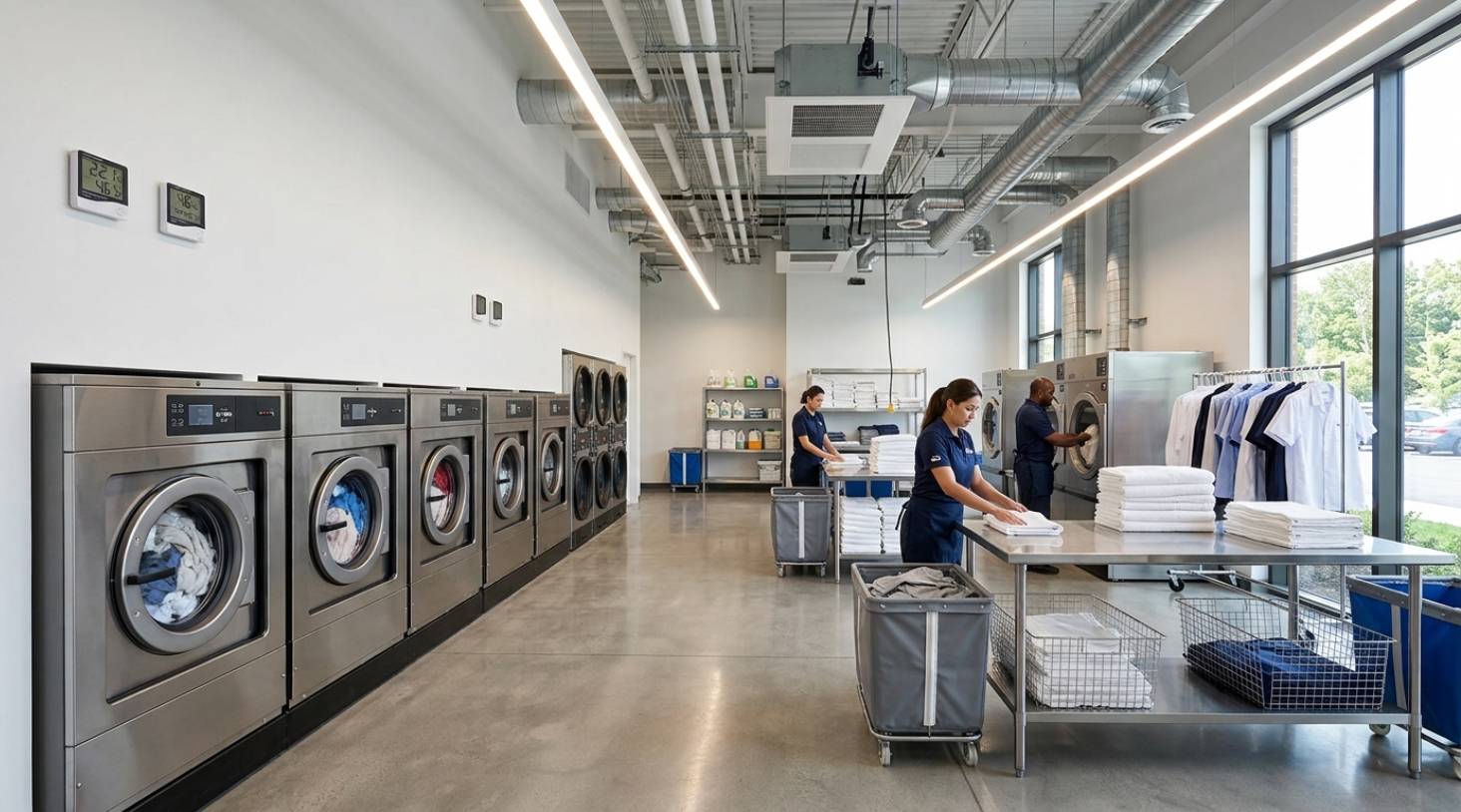

Uniforms and workwear are not just clothing—they represent professionalism, safety, and personal branding. From office attire to industrial garments, maintaining workwear properly is essential for durability, hygiene, and appearance. Improper care can lead to fabric wear, color fading, shrinking, and reduced protective qualities.
Laundry is an everyday task, but it can have a significant environmental impact. From water and energy consumption to chemical runoff from detergents, conventional laundry practices often contribute to pollution and resource waste.
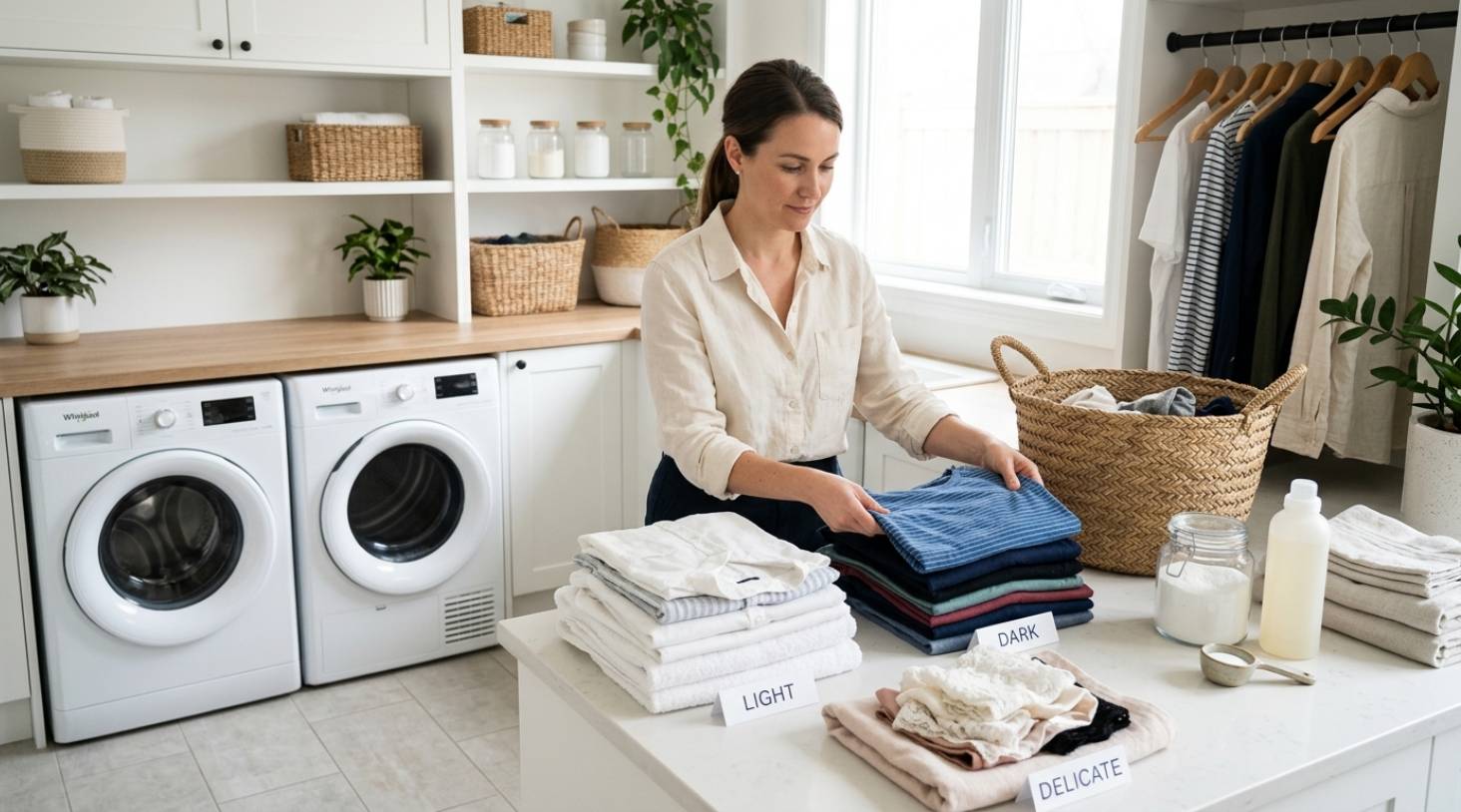
Managing laundry can feel overwhelming, especially in a busy household. Between work, school, and family activities, finding time to wash, dry, and fold clothes often feels impossible. However, establishing a practical laundry routine can simplify the process, save time, and keep everyone’s wardrobe fresh and organized.
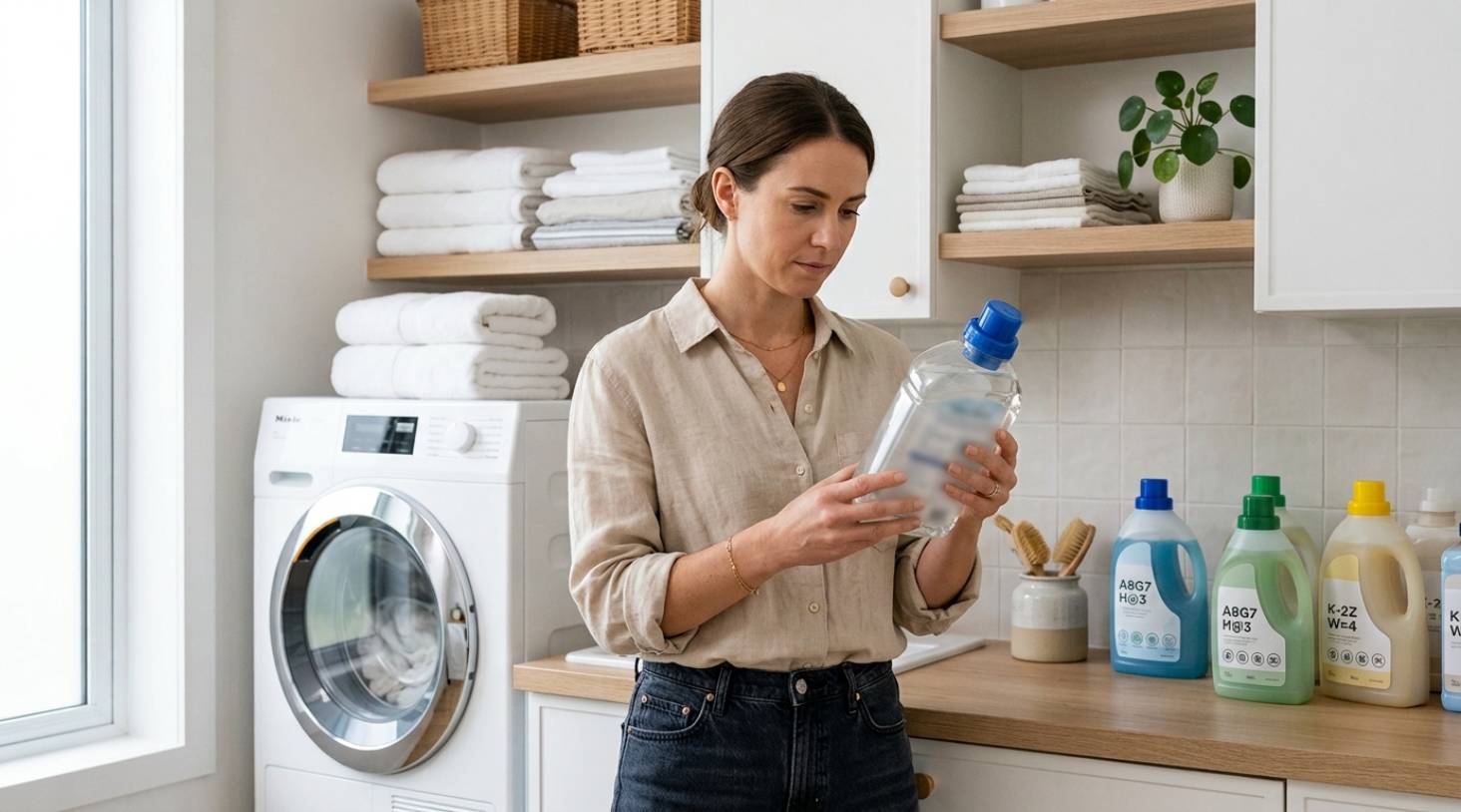
Choosing the right laundry detergent isn’t just about scent or stain-removing power—it’s also about pH levels. The pH of a detergent indicates whether it is acidic, neutral, or alkaline, and this characteristic can significantly affect the longevity, color, and texture of fabrics.
Towels are everyday essentials, yet they often get overlooked in household hygiene routines. Whether used after a shower, bath, or hand wash, towels absorb moisture, dead skin cells, and bacteria. Without proper maintenance, towels can quickly become breeding grounds for germs, develop unpleasant odors, or lose their softness.
A baby’s skin is soft, sensitive, and far more delicate than an adult’s. That’s why laundry care for baby clothes and linens requires special attention. Harsh detergents, strong fragrances, and improper washing methods can lead to skin irritation, allergies, or discomfort.