


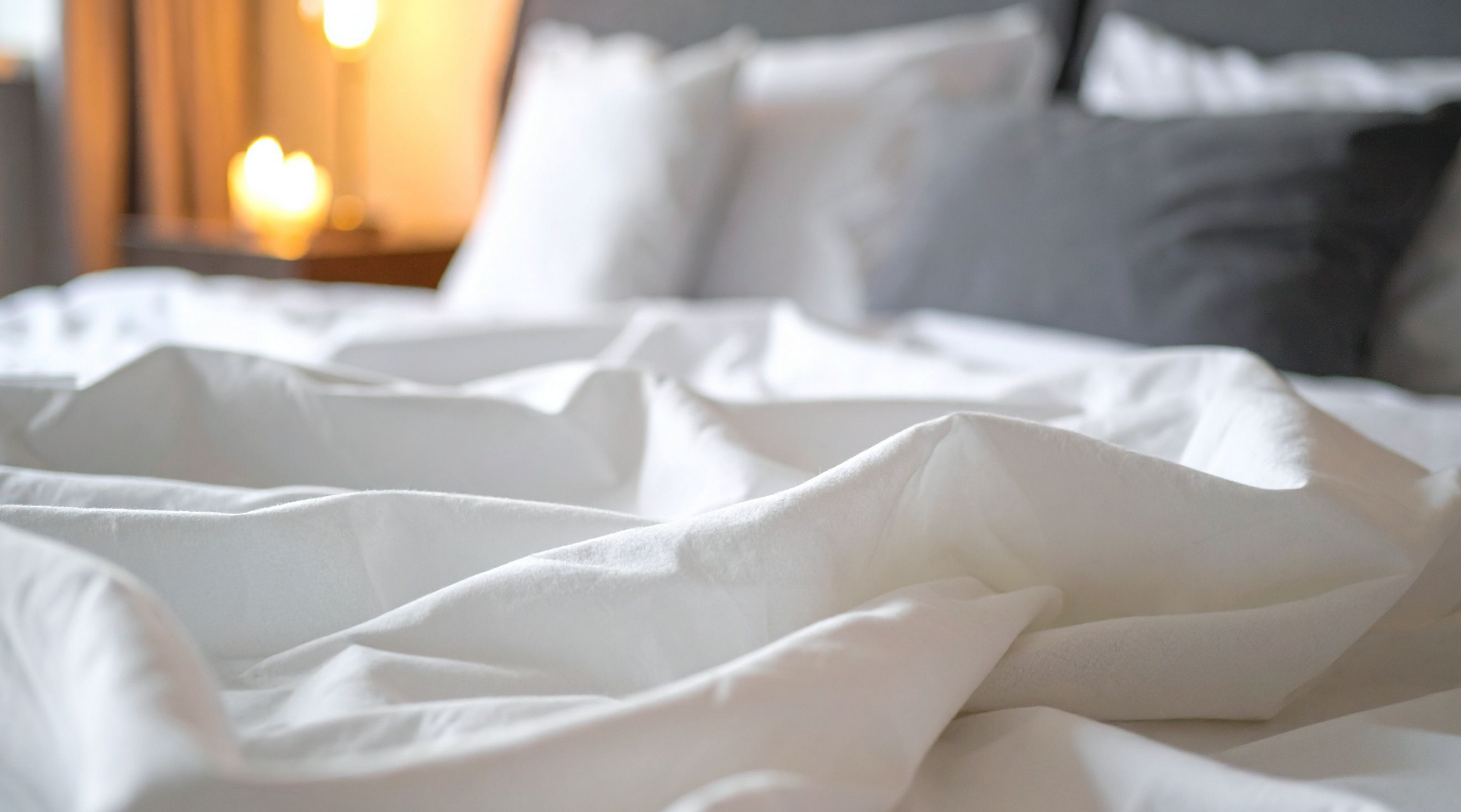
Clean bed linens are essential not just for comfort but also for hygiene and overall health. Sheets, pillowcases, and blankets accumulate sweat, oils, skin cells, and even dust mites over time. Neglecting regular washing can lead to unpleasant odors, allergies, and skin irritation.
This guide explains how often bed linens should be washed and shares practical tips for keeping your bedding fresh, hygienic, and long-lasting.
How Often Should You Wash Bed Sheets?
Bed sheets should ideally be washed once every 1–2 weeks:
- Weekly washing: Recommended for individuals who sweat at night, have allergies, or share a bed with pets.
- Biweekly washing: Acceptable for adults with minimal sweating and no pets.
- Special cases: Illness or allergies may require more frequent washing.
Regular washing prevents the buildup of bacteria, dust mites, and odors, ensuring a healthier sleep environment.
Pillowcases and Other Linens
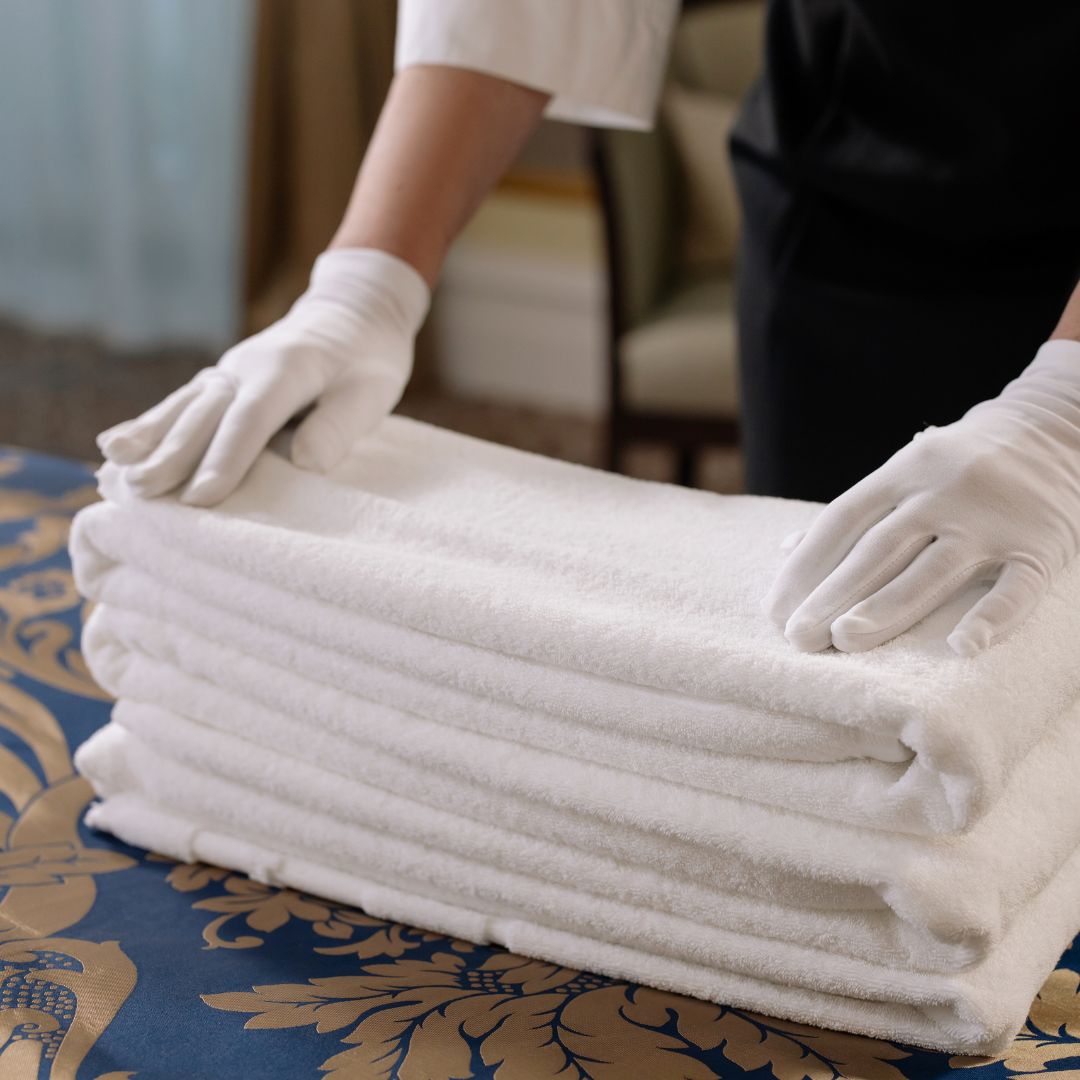
Pillowcases, in particular, should be washed more frequently because they are in direct contact with the face:
- Pillowcases: Wash every 3–4 days to prevent acne, skin irritation, and oil buildup.
- Blankets and comforters: Every 2–3 weeks, or according to usage and manufacturer care instructions.
- Mattress protectors: Wash monthly to reduce allergens and bacteria accumulation.
Maintaining different washing schedules for various bedding components helps optimize cleanliness.
Proper Washing Techniques
Effective washing ensures hygiene and preserves the quality of linens:
- Water temperature: Use warm water for cotton sheets and hot water for pillowcases to kill bacteria and dust mites.
- Detergent: Choose a mild detergent to protect fibers while ensuring cleanliness.
- Avoid overloading: Washing too many linens at once reduces cleaning efficiency.
- Stain treatment: Pre-treat stains like sweat, makeup, or oils before washing.
Following proper washing methods prolongs fabric life and maintains a hygienic sleep environment.
Drying and Fabric Care
Proper drying prevents bacterial growth and keeps linens soft:
- Air drying: Hang linens in sunlight to naturally disinfect and remove odors.
- Tumble drying: Use medium heat for softness; avoid over-drying, which can weaken fibers.
- Fabric softener: Use sparingly to prevent residue buildup, which can affect breathability.
Drying thoroughly ensures linens are safe to use and comfortable for sleep.
Tips for Maintaining Fresh Bedding Between Washes
Even between washes, you can take steps to keep your bed clean:
- Daily bed-making: Helps reduce dust accumulation and encourages airflow.
- Shower before bed: Minimizes sweat and oil transfer to sheets.
- Rotate linens: Alternating sets of sheets extends their lifespan.
- Protect mattresses: Use mattress protectors and pillow protectors to reduce washing frequency of heavy bedding.
These habits maintain hygiene and prolong the life of your bedding.
Special Considerations for Allergy Sufferers
People with allergies or asthma should adopt stricter linen hygiene:
- Wash sheets and pillowcases weekly or more frequently.
- Use hot water (60°C / 140°F) to kill dust mites.
- Consider hypoallergenic bedding and dust-mite-proof covers.
Regular laundering reduces allergens and improves sleep quality for sensitive individuals.
Signs Your Linens Need Washing

Even if your schedule is regular, some signs indicate it’s time to wash:
- Visible stains or spots
- Lingering odors
- Excessive dust or pet hair
- Allergic reactions or skin irritation after sleeping
Responding to these cues helps maintain hygiene and comfort.
Conclusion
Regular linen washing is key to bedding hygiene, comfort, and overall health. Sheets, pillowcases, blankets, and mattress protectors each require specific washing frequencies to prevent bacteria, dust mites, and odors.
By following a routine of weekly or biweekly washing, proper drying, and adopting simple maintenance habits, you can enjoy a clean, fresh, and comfortable sleep environment while prolonging the lifespan of your bedding.
