


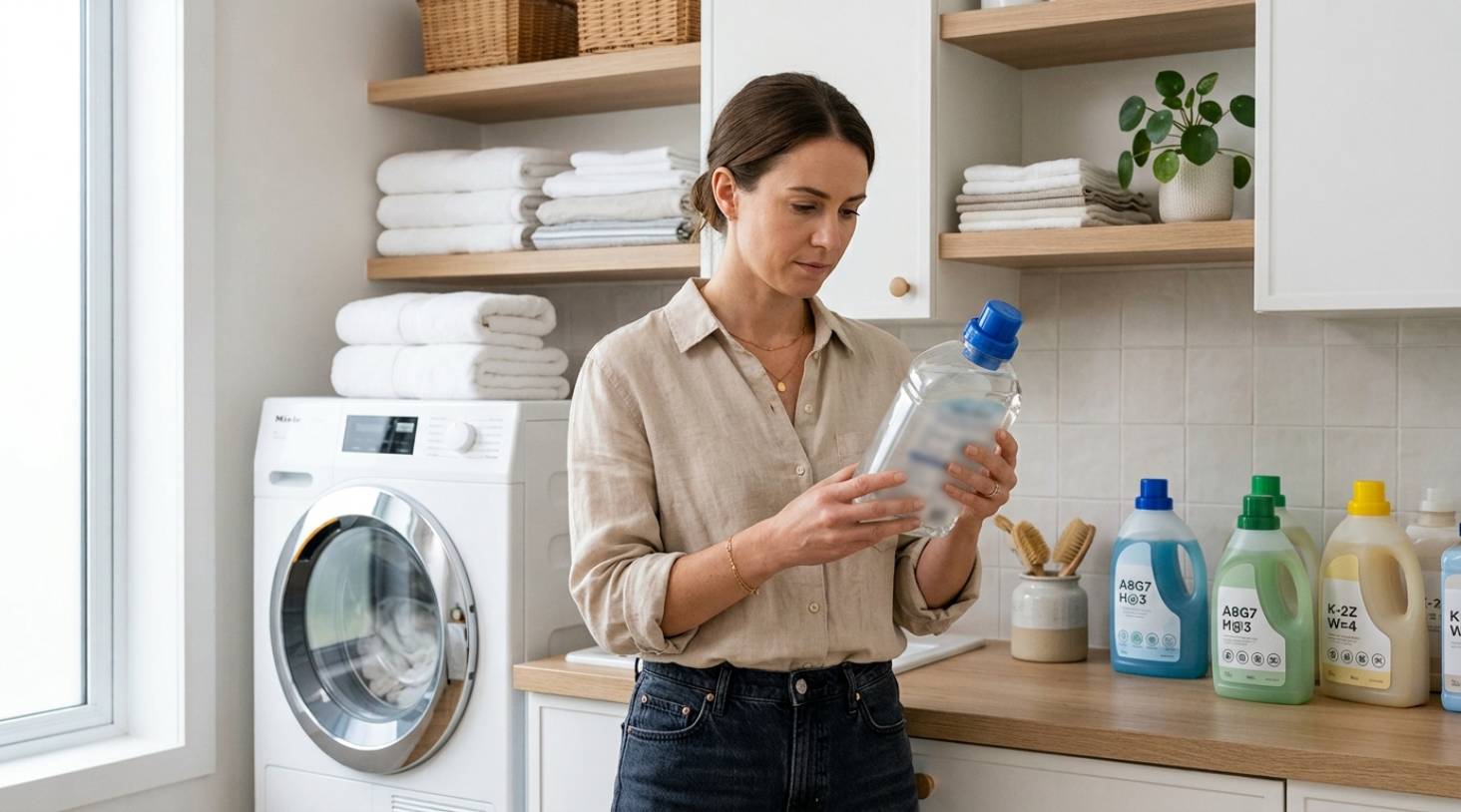
Laundry products often contain a mix of chemicals and additives designed for cleaning, softening, or fragrance. Understanding labels ensures you use products safely and effectively while protecting your clothes, skin, and washing machine. Misinterpreting labels can lead to fabric damage, allergic reactions, or inefficient cleaning.
Key Sections of Laundry Product Labels
Most labels include three main sections:
- Ingredients: Lists active cleaning agents, enzymes, fragrances, and other chemicals.
- Instructions: Provides guidance on dosage, water temperature, washing cycle, and usage tips.
- Warnings and Precautions: Highlights safety measures, such as avoiding ingestion or eye contact, and special handling instructions.
Reading these sections carefully allows you to maximize product effectiveness while minimizing risks.
Understanding Ingredients

Laundry detergents often contain:
- Surfactants: Remove dirt and grease from fabrics.
- Enzymes: Break down proteins, starches, or fats in stains.
- Builders: Enhance cleaning power by softening water.
- Fragrances and Dyes: Provide scent and visual appeal but can irritate sensitive skin.
- Optical Brighteners: Make whites appear brighter but may weaken delicate fabrics over time.
Knowing these components helps you choose products suitable for your fabrics and household needs.
Following Instructions Properly
- Dosage: Overuse can leave residue on clothes and in machines, while underuse may result in insufficient cleaning. Use measuring caps or scoops as recommended.
- Water Temperature: Hot, warm, or cold water may be specified depending on fabric type or stain level.
- Cycle Recommendations: Some products are optimized for high-efficiency (HE) washers or specific cycles such as gentle or heavy-duty.
- Pre-treatment Guidance: Some labels include tips for applying detergent directly to stains before washing.
Following instructions ensures the best cleaning outcomes and preserves garment integrity.
What to Avoid on Laundry Labels
- Harsh Chemicals: Ingredients like chlorine bleach or strong optical brighteners may damage delicate fabrics.
- Excess Fragrances: Can irritate sensitive skin or trigger allergies.
- Misuse Warnings: Ignore dosage, water temperature, or cycle instructions, and you risk staining, shrinkage, or wear.
- Mixing Warnings: Some labels caution against combining with other detergents or chemicals that can react dangerously.
Being mindful of these warnings keeps both you and your clothes safe.
Tips for Safe and Effective Use
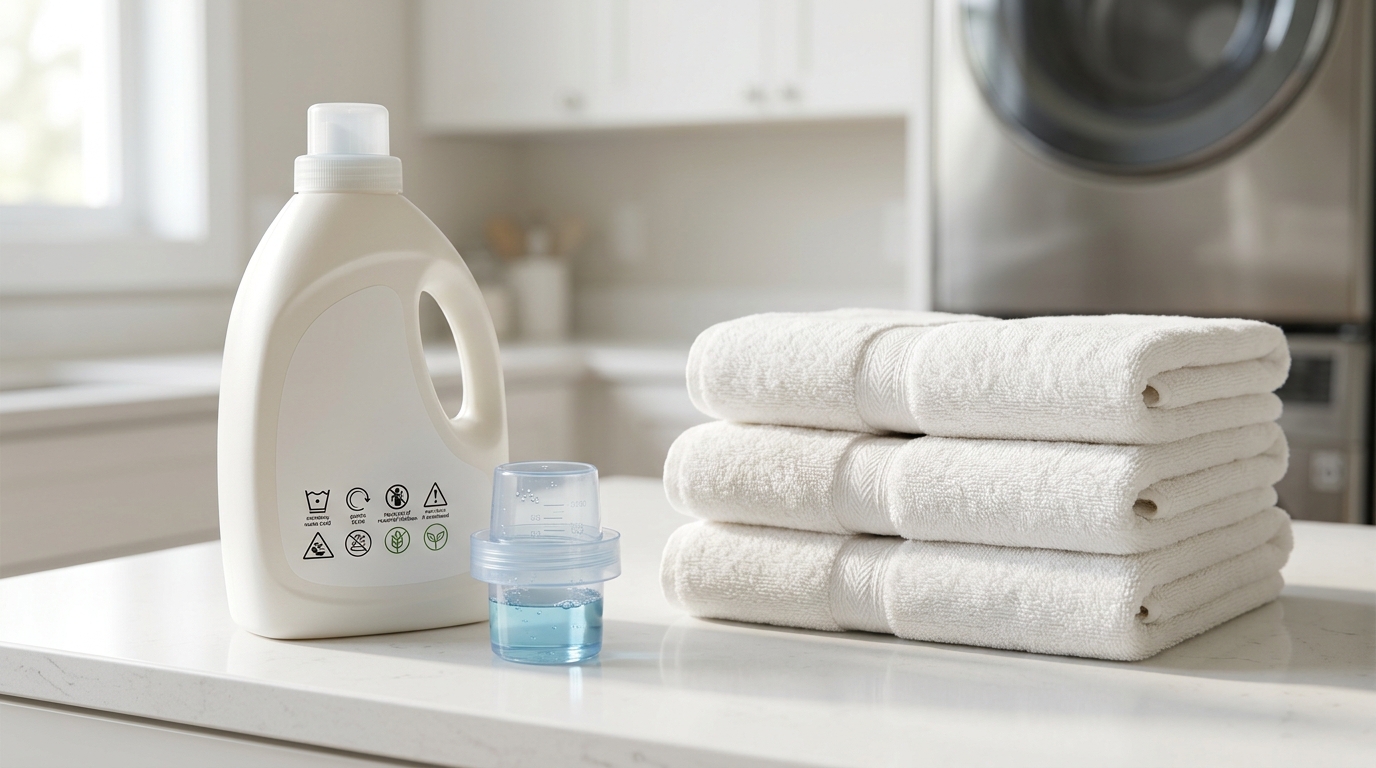
- Check for Allergens: Look for products labeled hypoallergenic if you have sensitive skin.
- Use HE Detergents for HE Machines: Prevent excess suds and mechanical issues.
- Store Safely: Keep detergents out of children’s reach and away from heat or moisture.
- Rotate Products Carefully: When trying new detergents, test on a small garment first.
- Follow Manufacturer Instructions: Both on the detergent and the garment care label for best results.
Conclusion: Reading Labels Is Key to Laundry Success
Laundry product labels are more than just marketing—they’re essential guides to using detergents safely and effectively. By understanding ingredients, following instructions, and noting warnings, you can protect fabrics, skin, and machines while achieving cleaner, fresher laundry. Knowledge of labels ensures that your laundry routine is both safe and efficient.
