


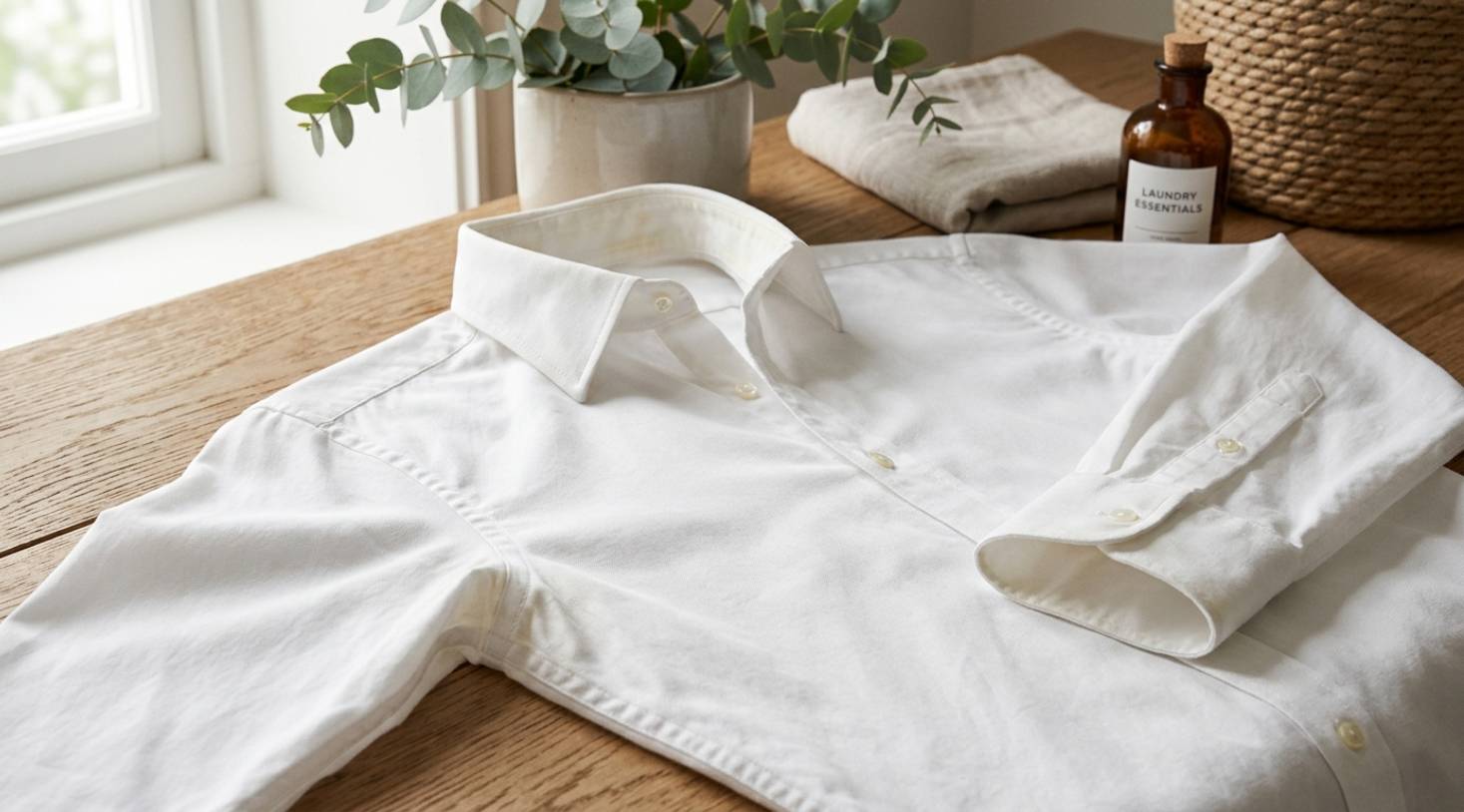
Not all stains are immediately obvious. Invisible stains are residues from oils, sweat, deodorants, or food that don’t immediately change the color or appearance of fabric. Over time, they can build up, causing yellowing, odors, or weakened fibers. Because these stains aren’t visible right away, they’re often ignored, which makes removal more difficult and can lead to permanent fabric damage.
Common Causes of Invisible Stains
Invisible stains can appear from everyday activities, such as:
- Sweat and body oils: Particularly on shirts, collars, and underarms.
- Food and drink residues: Grease, sauces, and oils that don’t leave visible marks immediately.
- Cosmetics and skincare products: Lotions, sunscreens, and makeup can transfer to clothing.
- Environmental factors: Dust, pollution, or water minerals can leave subtle residues.
Even if clothes appear clean after a wash, invisible stains may linger and accumulate over time, affecting fabric quality and hygiene.
Why Early Treatment Matters
Treating stains early is key to preventing long-term damage. Once invisible stains set into fibers, they become harder to remove, often requiring stronger detergents or bleaching agents, which can weaken or discolor fabrics. Early treatment ensures stains are lifted before they bond with the fabric, preserving both appearance and longevity.
How to Identify Invisible Stains
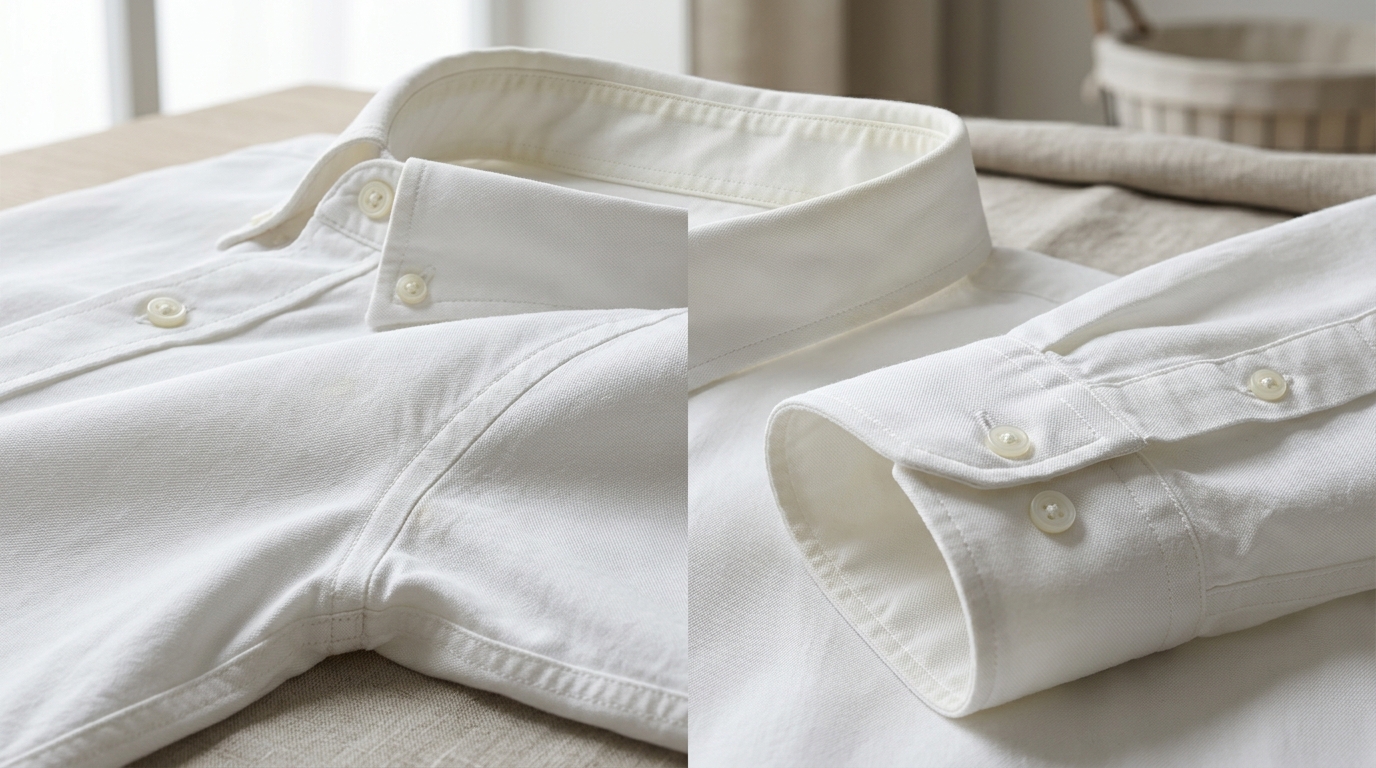
- Smell test: Lingering odors may indicate hidden stains.
- Touch test: Greasy or stiff spots often reveal oil or sweat residues.
- Light inspection: Shine a light across the fabric to spot slight discoloration or shine from oils.
Regularly checking frequently worn garments, especially underarms, collars, and cuffs, can help catch invisible stains before they become permanent.
Effective Early Treatment Techniques
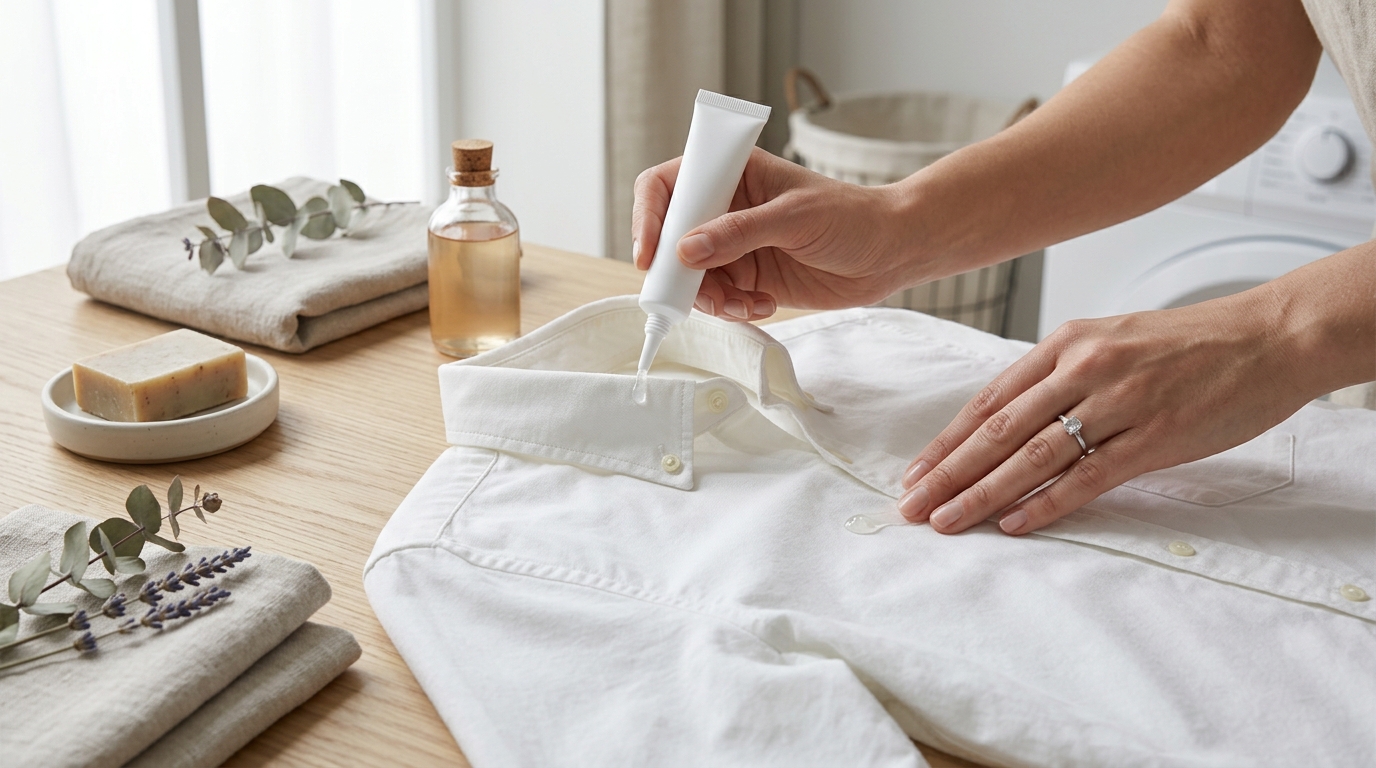
- Pre-treat with gentle stain removers: Apply directly to the affected area before washing.
- Use enzyme-based detergents: These are particularly effective at breaking down oils and proteins.
- Avoid hot water initially: Hot water can set some stains, making them harder to remove.
- Soak when necessary: For tougher residues, a brief soak in water with detergent can help loosen the stain.
- Wash promptly: Don’t let treated garments sit for days; prompt washing enhances effectiveness.
Preventing Invisible Stains
- Rotate clothing regularly to avoid prolonged exposure to sweat and oils.
- Wear undershirts or protective layers to minimize transfer.
- Apply deodorants and lotions fully absorbed before dressing.
- Maintain routine laundry habits and inspect clothes for early residue.
By incorporating these preventive measures, invisible stains are less likely to accumulate and compromise fabric integrity.
Conclusion: Don’t Ignore the Unseen
Invisible stains may be subtle, but their long-term effects on clothing are significant. Early identification and treatment ensure fabrics remain clean, fresh, and durable. By adopting mindful laundry habits and using appropriate pre-treatment techniques, you can protect your wardrobe and enjoy clothes that truly look and feel their best.
