


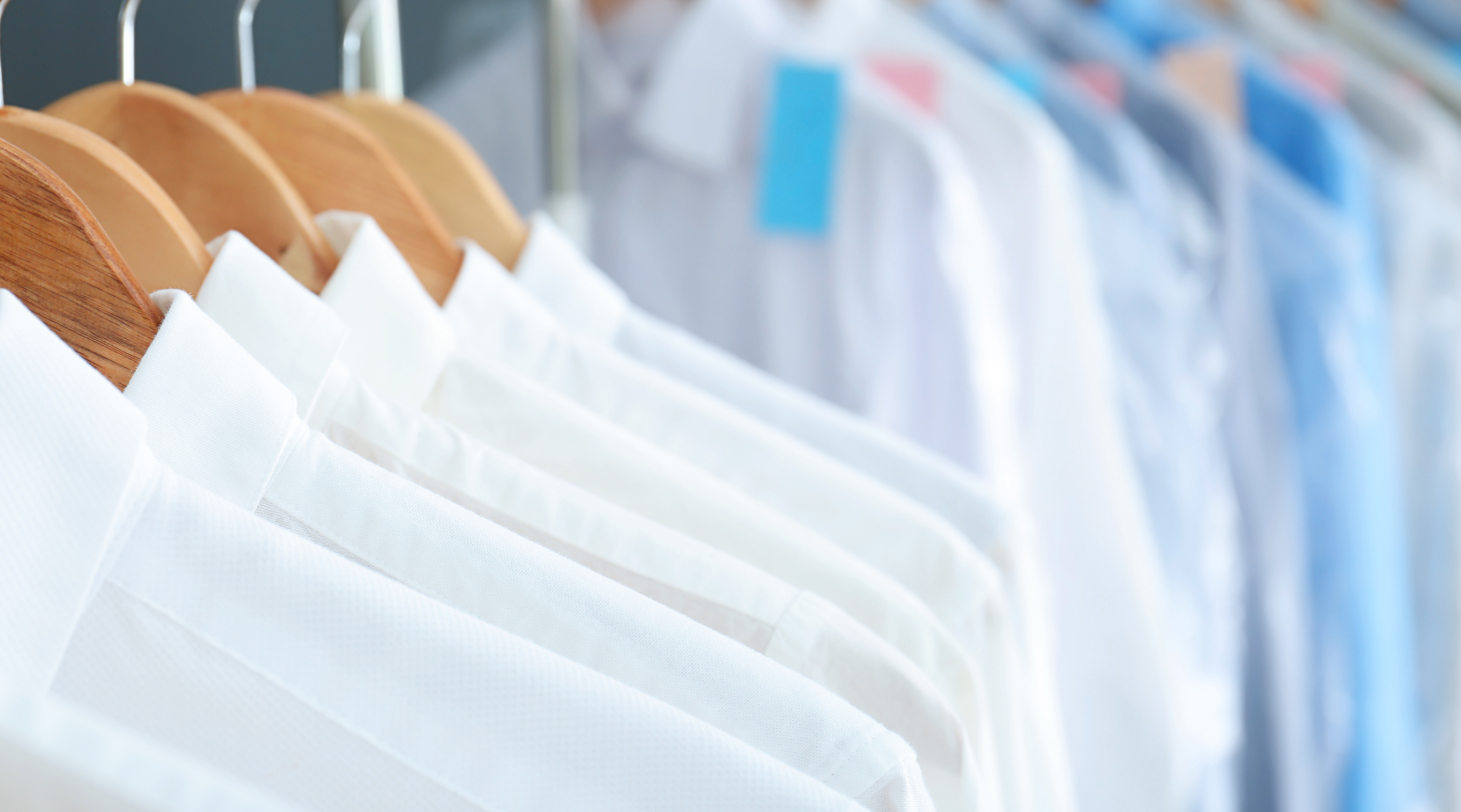
Explore why dry cleaning remains crucial despite modern machine-washable fabrics. Learn how it protects delicate fabrics, extends garment life, and preserves color and shape.
dry cleaning benefits, machine-washable fabrics, garment care, fabric preservation, professional cleaning, clothing maintenance, delicate fabrics care, stain removal, wardrobe longevity, clothing hygiene
Why Dry Cleaning Is Still Essential in the Era of Machine Washables
In today’s fast-paced world, convenience often drives clothing care. Many garments now come with “machine washable” labels, making it easy for busy professionals and households to clean clothes at home. However, despite advances in laundry technology, dry cleaning remains an essential practice for maintaining the longevity, appearance, and quality of many fabrics.
The Limitations of Machine Washables

Machine-washable fabrics offer convenience, but not all materials respond well to repeated washing cycles. Cotton, polyester blends, and some synthetics can generally tolerate machine washing, but delicate fabrics like silk, wool, cashmere, and certain embellished garments require special care.
Even the gentlest wash cycles can cause:
- Shrinkage in natural fibers like wool or silk.
- Color fading over repeated washes.
- Loss of shape, especially for structured garments such as blazers and suits.
- Damage to embellishments, sequins, or delicate stitching.
How Dry Cleaning Protects Fabrics
Dry cleaning uses chemical solvents instead of water, which gently removes dirt, oils, and stains without saturating the fibers. This method preserves the integrity of fabrics that are sensitive to water and agitation.
Some key benefits of dry cleaning include:
- Color Preservation: Solvents prevent dyes from bleeding or fading.
- Shape Retention: Gentle handling ensures that tailored garments maintain their structure.
- Fabric Longevity: Less wear and tear compared to machine washing, extending the life of luxury fabrics.
- Effective Stain Removal: Oils, grease, and certain tough stains are more effectively treated.
When Dry Cleaning Is Necessary

Even in a wardrobe filled with machine-washable items, some clothing should still be dry-cleaned:
- Formal wear and suits: Blazers, trousers, and dresses with lining or delicate stitching.
- Silk and satin garments: Susceptible to water spots and shrinkage.
- Wool and cashmere sweaters: Prone to felting or distortion in water.
- Embellished items: Sequins, beads, or embroidery that can loosen or tear.
Modern Dry Cleaning: Safe and Eco-Friendly
Concerns about harsh chemicals like perchloroethylene (PERC) have led to the rise of eco-friendly dry cleaning methods. “Wet cleaning” and liquid CO₂ processes are gentler alternatives that maintain the benefits of traditional dry cleaning while reducing environmental impact. These modern methods make dry cleaning safer for sensitive fabrics and the planet, ensuring that caring for garments doesn’t come at a cost to sustainability.
Conclusion
Machine-washable fabrics offer convenience, but dry cleaning continues to play a vital role in garment care. By preserving color, shape, and fabric integrity, dry cleaning ensures that delicate, structured, or luxurious clothing maintains its appearance and lasts longer.
Even in the age of easy laundry solutions, investing in occasional dry cleaning is a practical choice for anyone looking to protect their wardrobe and uphold a polished, professional image. Treating your garments with care through dry cleaning is not just about cleanliness—it’s about extending life, maintaining quality, and showing respect for the craftsmanship of your clothes.
