


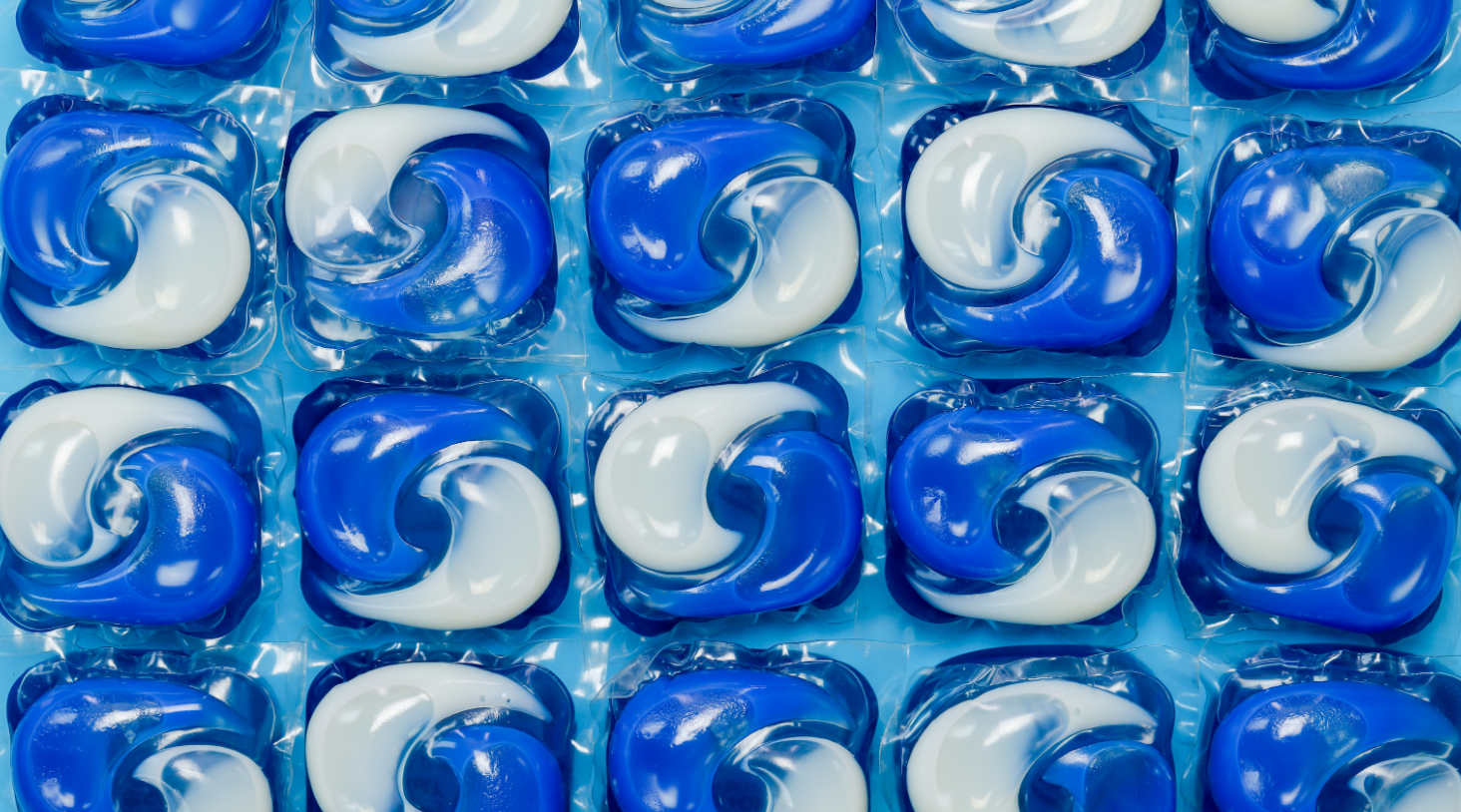
Choosing the right laundry detergent isn’t just about scent or stain-removing power—it’s also about pH levels. The pH of a detergent indicates whether it is acidic, neutral, or alkaline, and this characteristic can significantly affect the longevity, color, and texture of fabrics.
Understanding how pH interacts with different fibers helps you protect delicate garments, maintain vibrant colors, and prevent damage to clothing. This guide explains pH levels in detergents, their effects on fabrics, and best practices for laundry care.
What is pH and Why It Matters in Laundry
pH is a measure of how acidic or alkaline a substance is, on a scale from 0 to 14:
- Acidic: pH less than 7
- Neutral: pH around 7
- Alkaline: pH greater than 7
Most laundry detergents are slightly alkaline, with a pH between 7 and 10. Alkalinity helps break down oils, grease, and protein-based stains. However, excessive alkalinity can weaken fibers or fade colors, especially in delicate fabrics like silk, wool, or lace.
Alkaline Detergents: Benefits and Risks
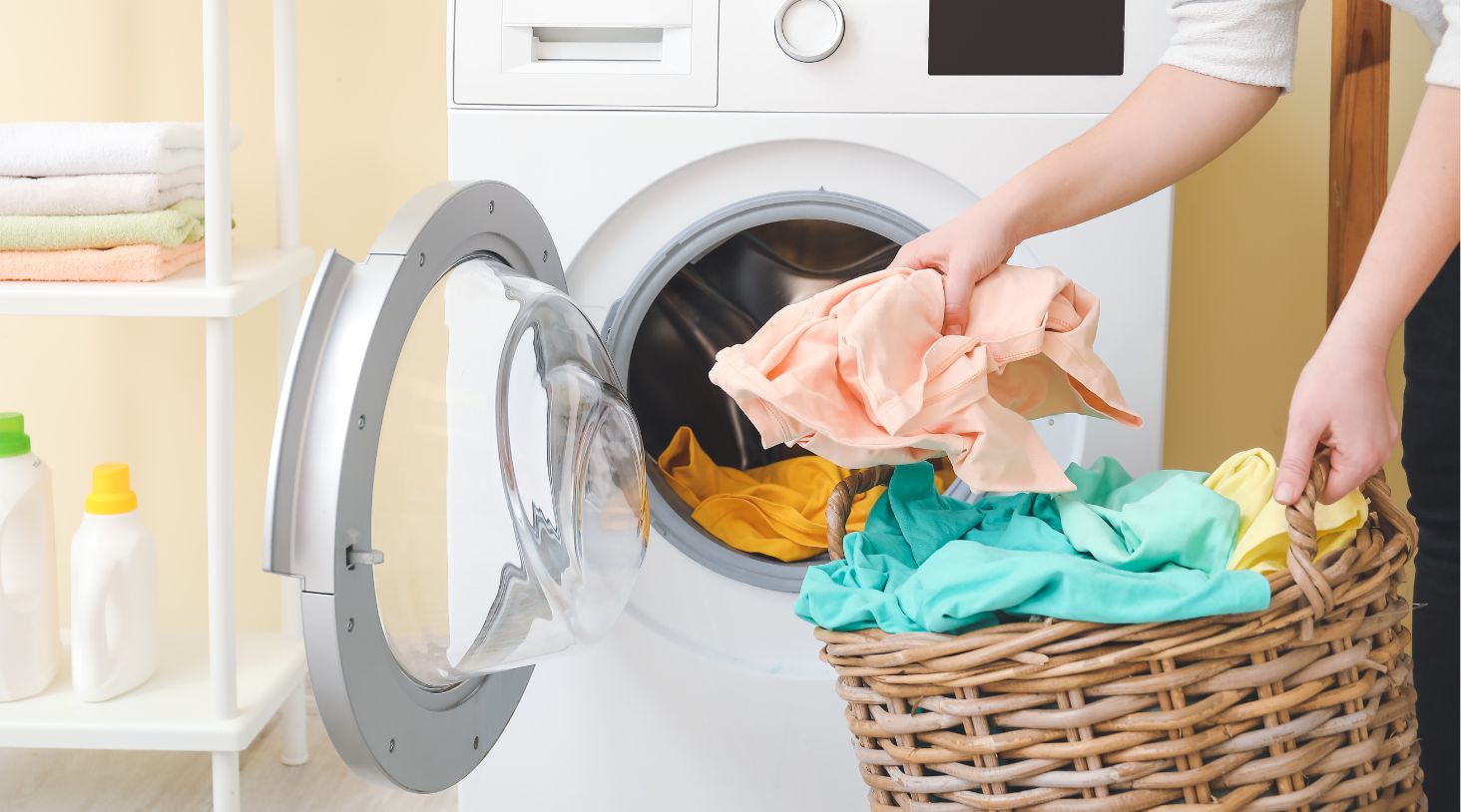
Alkaline detergents are effective at removing dirt, sweat, and grease, making them suitable for:
- Cotton shirts and jeans
- Towels and bedding
- Heavily soiled items
Benefits:
- Break down stubborn stains efficiently
- Enhance cleaning power in hard water
- Maintain brightness of whites
Risks:
- Can weaken natural fibers like silk and wool
- May cause fading of bright or dark-colored fabrics
- Can leave residues if not rinsed properly, leading to skin irritation
Acidic and Neutral Detergents
Acidic detergents (pH <7) are gentler on fabrics but less common in everyday laundry. They are often used for:
- Delicate fabrics: Silk, satin, lace, and fine wool
- Specialty cleaning: Stain treatment for protein-based stains like blood or sweat
Neutral detergents (pH ~7) are generally safe for most fabrics, providing mild cleaning while minimizing fiber damage. They are particularly suitable for baby clothes, delicate lingerie, and garments that require gentle handling.
The Impact of Detergent pH on Different Fabrics
Different fabrics react differently to pH levels:
- Cotton: Tolerates alkaline detergents well; colors remain stable with proper care.
- Silk and Satin: Sensitive to high pH; alkaline detergents can weaken fibers and dull sheen.
- Wool: Easily damaged by alkaline detergents, leading to shrinkage and felting.
- Synthetic fibers (polyester, nylon): Generally more resistant to alkaline detergents but can retain odors if detergent residue remains.
Selecting a detergent with the appropriate pH for your fabric type is crucial to maintaining appearance, texture, and strength.
pH and Color Protection
High-pH detergents can accelerate color fading, particularly in dark or brightly colored clothing. To protect colors:
- Use detergents labeled “color-safe” or “pH-balanced”.
- Wash bright or dark items in cool water, as hot water combined with high pH can intensify fading.
- Avoid excessive washing; frequent exposure to alkaline detergents can gradually degrade dyes.
By understanding pH’s role in color retention, you can keep your clothes looking vibrant longer.
How to Choose the Right Detergent
When selecting a detergent, consider the following:
- Fabric type: Delicate fabrics require neutral or slightly acidic detergents.
- Stain type: Heavy grease or sweat may need alkaline detergents.
- Water quality: Hard water may require detergents with higher pH to improve cleaning efficiency.
- Skin sensitivity: Babies or those with sensitive skin benefit from pH-neutral or mild detergents.
Always read labels for pH information and usage recommendations, and follow care instructions on garments.
Best Practices for Laundry Based on pH
- Pre-test delicate fabrics: Try a small patch before full washing.
- Rinse thoroughly: Proper rinsing removes residual detergent that can weaken fibers or irritate skin.
- Use fabric-specific detergents: Baby detergents, wool wash, and silk detergents are formulated for safe pH levels.
- Avoid mixing detergent types: Combining high-pH detergents with delicate fabrics can cause damage.
These practices maximize cleaning efficiency while protecting your clothes.
Conclusion
Understanding pH levels in laundry detergents is key to maintaining the life, color, and quality of fabrics. Alkaline detergents work well for heavily soiled items, while neutral or acidic detergents are best for delicates and sensitive skin.
By choosing the right detergent, washing appropriately, and following fabric care guidelines, you can achieve clean, fresh, and long-lasting garments. Proper pH awareness ensures both hygiene and preservation in every wash.
