


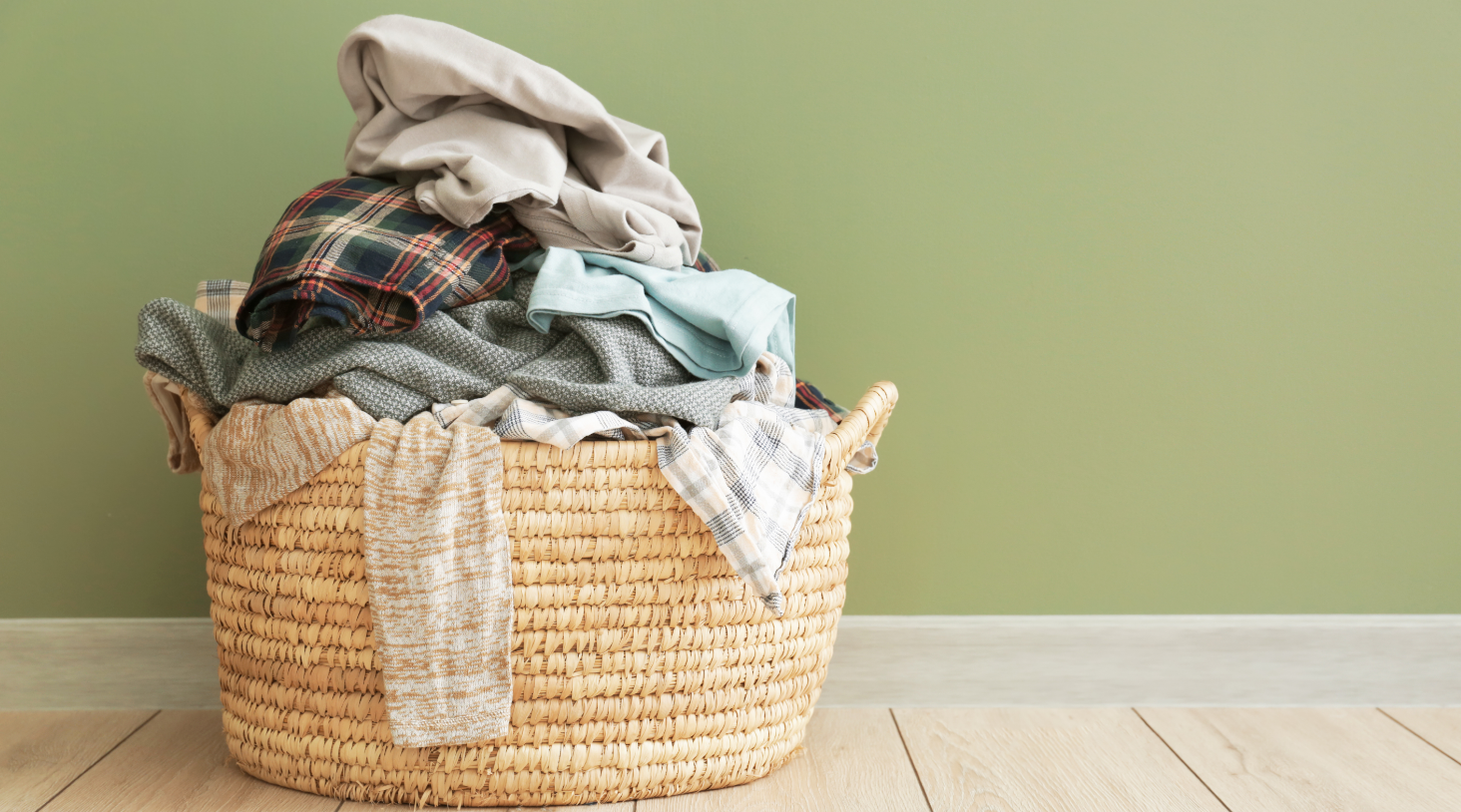
In today’s busy world, it’s easy to wear clothes multiple times before tossing them in the wash. While it might seem harmless—especially if the garment “doesn’t look dirty”—infrequent laundry can pose serious hygiene concerns. Sweat, skin oils, bacteria, and environmental pollutants accumulate on fabrics over time, potentially leading to unpleasant odors, skin irritation, and even infections.
This article explores the hidden hygiene risks of infrequent laundry, explains how often you should wash different types of clothing, and offers simple strategies to maintain freshness and protect your health.
The Hidden Build-Up on Your Clothes
Even if your clothes appear clean, they can still harbor microorganisms. Every time you wear an outfit, your body sheds dead skin cells, secretes oils, and produces sweat. These substances are a feast for bacteria and fungi. Over time, the fabric fibers trap not only these biological materials but also dust, pollen, and air pollutants.
A study published in the Journal of Applied Microbiology found that bacteria such as Staphylococcus aureus and Corynebacterium—commonly found on human skin—can transfer onto clothing and multiply if left unwashed. The result? Persistent body odor and an invisible breeding ground for microbes.
Skin Problems Linked to Dirty Clothes
Wearing unwashed clothes doesn’t just affect how you smell—it can also impact your skin health. When bacteria and sweat remain trapped in fabric, they create an environment that promotes skin irritation, rashes, and acne.
Clothes that cling to the body, such as workout wear or tight jeans, are especially problematic. The moisture from sweat combined with friction can clog pores and cause folliculitis—a common condition where hair follicles become inflamed or infected. Similarly, dirty pillowcases and sleepwear can transfer bacteria to your face and body overnight, worsening breakouts.
The Odor Issue: Why Clothes Smell Even After Light Use
Body odor isn’t just caused by sweat—it’s the result of bacteria breaking down sweat molecules. When these bacteria linger on clothing fibers, they can continue producing odor even after you’ve stopped wearing the garment.
Synthetic fabrics, like polyester and nylon, tend to trap these odor-causing microbes more than natural fibers such as cotton or linen. That’s why athletic wear can start to smell musty even after just one workout. If not washed promptly, these odors can become deeply embedded in the fabric, making them harder to remove later.
Allergens and Respiratory Concerns
Beyond bacteria, infrequent laundry can lead to a build-up of allergens. Dust mites, pollen, and pet dander accumulate on clothes, towels, and bedding. Wearing or sleeping on these contaminated fabrics can trigger allergies, asthma, or respiratory irritation—especially for sensitive individuals.
People who hang clothes indoors or store laundry in humid environments are at higher risk, as moisture encourages the growth of mold spores. Regular washing and proper drying are therefore essential to keeping fabrics allergen-free and breathable.
How Often Should You Wash Different Garments?
Washing frequency depends on the type of clothing, how much you sweat, and your daily environment. Here’s a general guideline:
- Underwear, socks, and workout clothes: After every use
- T-shirts and casual tops: Every 1–2 wears
- Jeans: Every 3–5 wears, unless visibly dirty
- Sleepwear: Every 2–3 wears
- Towels: Every 3–4 uses
- Bed sheets: Weekly
- Outerwear (jackets, coats): Every 5–10 wears or seasonally
These recommendations help maintain hygiene while also extending the lifespan of your garments.
Tips to Maintain Cleanliness Between Washes

If you can’t wash clothes frequently, a few smart habits can help minimize hygiene risks:
- Air out clothes after wearing them to release moisture and odor.
- Use fabric refresh sprays with antibacterial properties to neutralize smells.
- Hang clothes in sunlight, as UV rays naturally kill bacteria.
- Avoid re-wearing sweaty garments, especially after exercise.
- Keep laundry hampers dry and ventilated to prevent mildew growth.
Small steps like these can significantly reduce bacterial buildup and keep fabrics fresher for longer.
Balancing Hygiene and Sustainability
While it’s essential to maintain cleanliness, frequent washing can consume water and energy. The key is balance—wash items that directly contact your skin more often, and handle outerwear or lightly worn pieces more sustainably by spot-cleaning or airing them out.
Opt for eco-friendly detergents, cold water cycles, and energy-efficient machines to protect both your health and the planet.
Conclusion
Infrequent laundry may seem like a time-saving habit, but it carries hidden hygiene risks. Dirty clothes can trap bacteria, cause odor, irritate your skin, and even trigger allergies. By understanding what happens when fabrics aren’t cleaned regularly—and following simple washing routines—you can safeguard both your personal hygiene and overall well-being.
A clean wardrobe doesn’t just look better—it feels healthier too.
