


No matter how careful you are, stains happen — coffee spills on your shirt, lipstick on a collar, or curry splashes on your tablecloth. And while it’s tempting to toss the item straight into the wash, not all stains are created equal. Some require chemistry, timing, and the right tools — which is why professionals always seem to get better results.
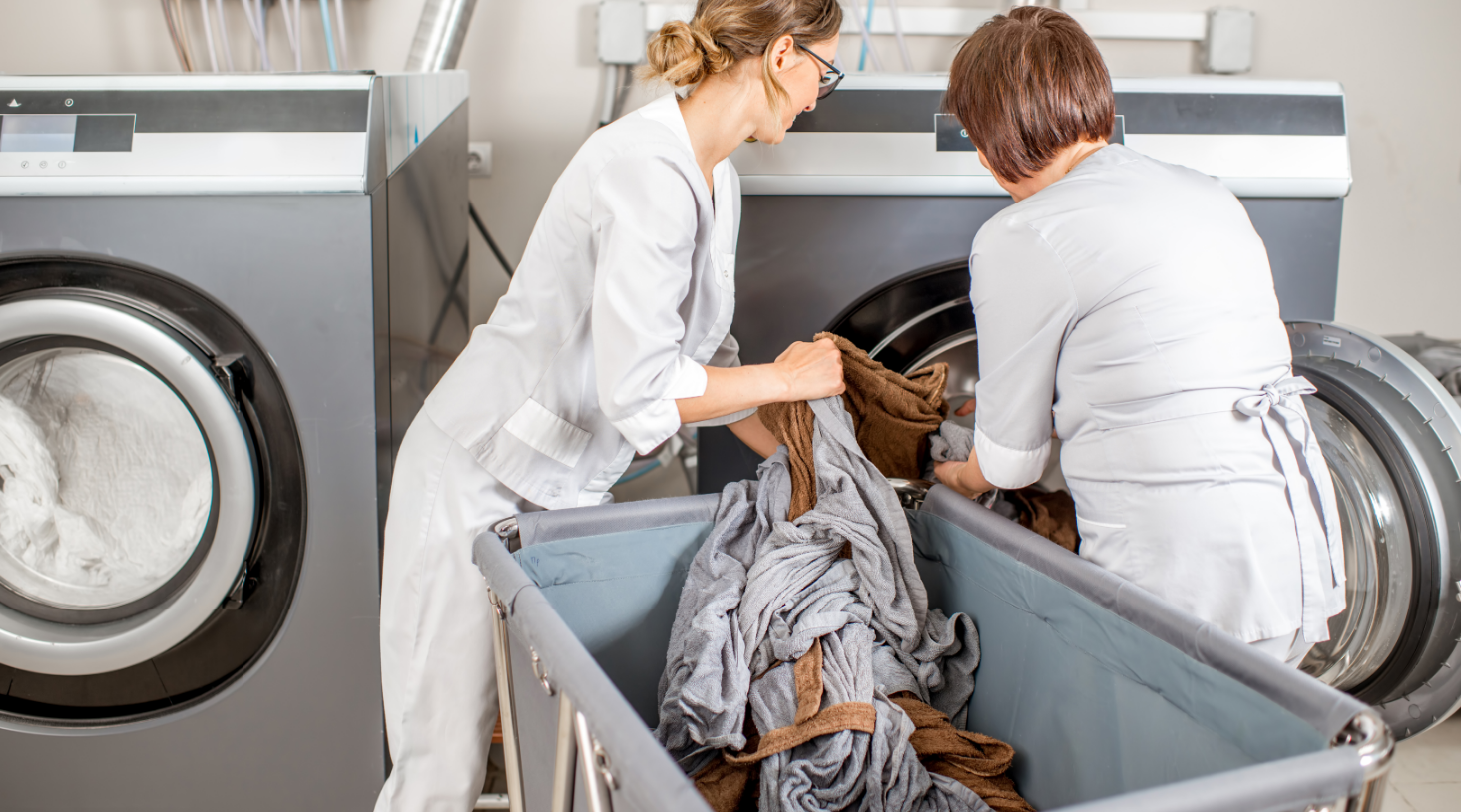
If you’ve ever wondered why your local laundry service can make a stained garment look brand new, it’s because they don’t rely on luck — they rely on science. Let’s uncover the stain removal secrets that pros know (and most of us don’t).
Know the Stain Before You Treat It
The first rule of professional cleaning: identify before you act. Different stains come from different sources — and each needs a specific solution.
- Protein-based stains: blood, sweat, milk — treat with cold water and enzymatic cleaners.
- Oil-based stains: makeup, grease, butter — need solvents or degreasers.
- Tannin stains: coffee, tea, wine — best removed with mild acid-based cleaners.
- Dye stains: ink, berries, sauces — require color-safe bleach or oxidation.
Throwing everything into one detergent mix can make things worse, especially if the stain sets deeper into the fibers. Pros start by classifying stains, then choosing the right remover accordingly.
Timing Is Everything
Ask any laundry expert — speed is the secret weapon. The longer a stain sits, the stronger it bonds to fabric fibers.
Professionals follow this golden rule:
- Act within minutes for liquids like wine or juice.
- Treat oily stains within hours to avoid oxidation.
- Address set-in or old stains with pre-treatment and soaking before washing.
If you can’t clean it immediately, blot — don’t rub. Rubbing spreads the stain and pushes it deeper. A quick blot with paper tissue or a damp cloth can make all the difference until you can get it cleaned properly.
Temperature Control: The Hidden Trick
Water temperature is one of the most misunderstood factors in stain removal.
Here’s what pros know:
- Cold water is best for blood, milk, or egg — hot water can “cook” these stains.
- Warm water helps dissolve grease and sweat.
- Hot water works well for durable fabrics and dye-based stains (if the fabric can handle it).
Always check the care label before applying heat. Even one wash at the wrong temperature can cause permanent damage or fading.
The Power of Pre-Treatment
Before your clothes ever touch the washing machine, pros take one extra step — pre-treating the stain.
This involves applying a concentrated cleaner directly to the spot and letting it sit for 5–10 minutes. This loosens the stain particles and allows the detergent to penetrate deeper during the wash.
You can do the same at home with:
- A few drops of liquid detergent.
- A paste made of baking soda and water (for mild stains).
- Vinegar and water solution (for deodorizing or food stains).
For best results, dab gently with a soft cloth instead of scrubbing.
Tools That Make the Difference
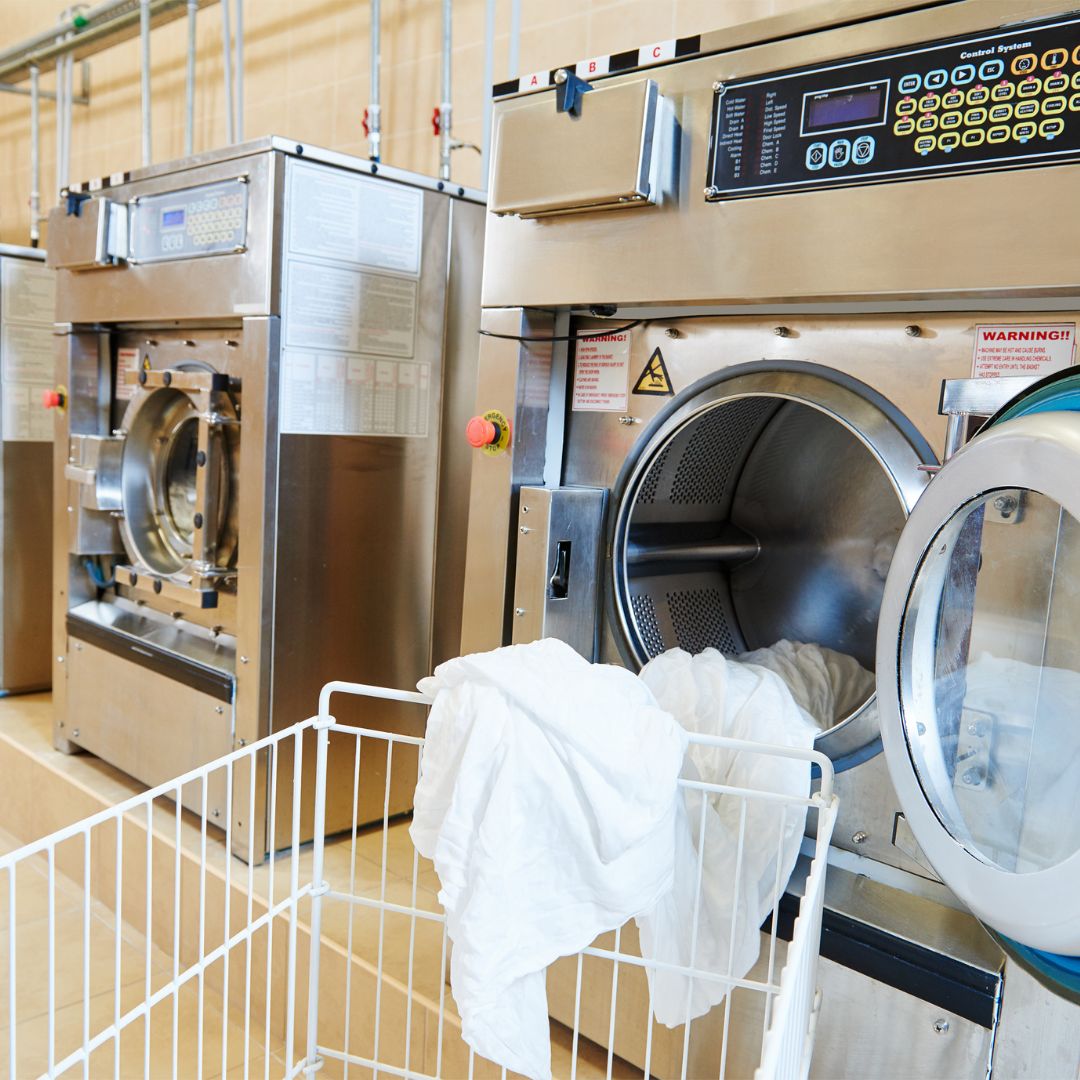
Professionals don’t just use fancy detergents — they rely on the right equipment:
- Spotting boards for precision cleaning.
- Steam guns to lift stubborn marks without damaging fibers.
- Vacuum extractors to remove cleaning solutions quickly and prevent water rings.
While these might be out of reach at home, you can still achieve great results with a gentle brush, microfiber cloth, and patience.
The Secret of pH Balance
A lesser-known fact: stain removers work best when their pH matches the stain type.
- Acidic cleaners (like vinegar or lemon juice) neutralize alkaline stains — such as coffee or sweat.
- Alkaline cleaners (like baking soda or ammonia) work on acidic stains — such as wine or fruit juice.
Professional cleaners carefully balance these solutions to prevent discoloration and preserve fabric texture. Using the wrong one can not only fail to remove the stain but also weaken or bleach the fabric.
Why Professional Cleaning Always Wins
Even with all the right knowledge, some stains simply need expert handling. Dry cleaners and laundry professionals use controlled cleaning agents that are:
- Fabric-specific, ensuring no color fading.
- Environmentally safe, without harsh residues.
- Heat- and solvent-controlled, for precision results.
They can also handle delicate materials like silk, linen, or blended synthetics that home methods might ruin. In cities like Bangkok — where heat, sweat, and pollution are part of daily life — professional cleaning extends fabric lifespan and keeps your wardrobe fresh.
Prevention Is the Best Cure
Finally, pros agree: the best stain is the one that never sets. You can protect your clothes by:
- Applying fabric protectors that repel liquid and oil.
- Washing promptly after wear, especially in humid climates.
- Separating clothes by fabric and color to avoid dye transfer.
And if something spills? Stay calm, blot gently, and call your local laundry if you’re unsure.
Conclusion: Clean Smarter, Not Harder
Stain removal isn’t about luck — it’s about knowing your fabrics, chemistry, and timing. The pros simply understand how to work with stains instead of against them.
By learning their secrets — and knowing when to call for help — you can keep your clothes looking sharp, your linens fresh, and your confidence intact.
Because sometimes, a spotless finish is more than just clean — it’s professional-level care.
