


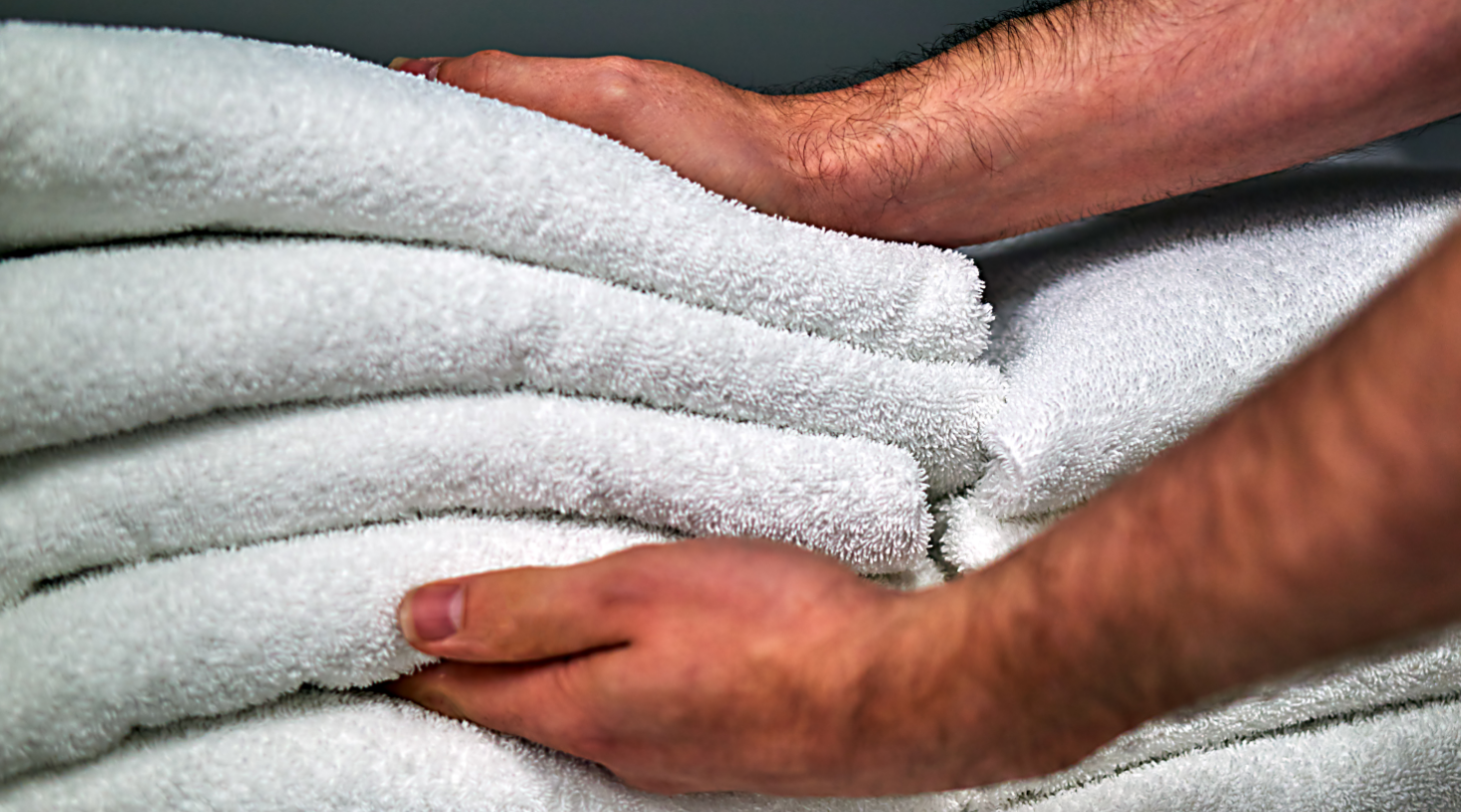
Towels are everyday essentials, yet they often get overlooked in household hygiene routines. Whether used after a shower, bath, or hand wash, towels absorb moisture, dead skin cells, and bacteria. Without proper maintenance, towels can quickly become breeding grounds for germs, develop unpleasant odors, or lose their softness.
Maintaining towels correctly not only ensures comfort but also protects your health. This guide explores the importance of towel hygiene and provides practical tips for washing, drying, and storing your towels.
Why Towel Hygiene Matters
Towels are naturally damp and warm after use—conditions that encourage bacterial and fungal growth. Studies have shown that bacteria such as Staphylococcus aureus and mold spores can survive on towels for days if not properly laundered.
Neglecting towel hygiene can lead to:
- Unpleasant odors: Mildew or bacterial buildup causes musty smells.
- Skin irritation or infections: Using contaminated towels can trigger rashes or worsen acne.
- Reduced lifespan: Improper washing and drying break down fibers, making towels stiff or frayed.
Keeping towels clean ensures they remain soft, fresh, and safe for daily use.
How Often Should You Wash Towels?
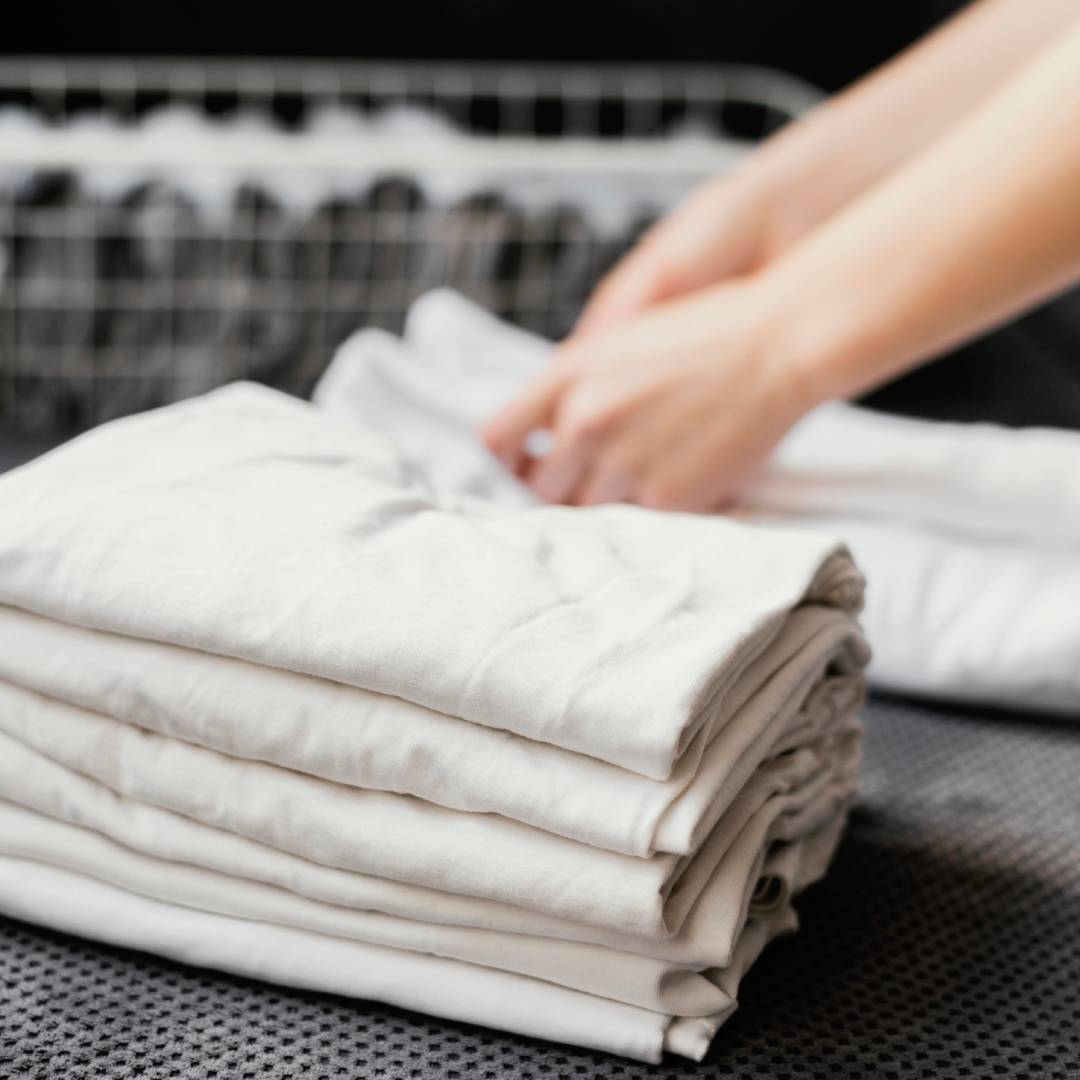
Towel washing frequency depends on use and moisture exposure:
- Bath towels: Every 3–4 uses.
- Hand towels: Every 2–3 days.
- Kitchen towels: Daily or after heavy use.
- Gym or sports towels: After each use.
Avoid keeping damp towels in a pile, as prolonged moisture promotes mildew growth and bad odors. Always hang towels to dry between uses.
Proper Washing Techniques
Effective towel maintenance begins with correct washing practices:
- Use warm or hot water: Hot water kills bacteria and removes oil and dirt effectively.
- Choose the right detergent: Opt for a high-quality detergent, avoiding excessive fabric softener, which can coat fibers and reduce absorbency.
- Separate loads: Wash towels separately from delicate fabrics to prevent lint transfer and damage.
- Avoid bleach overuse: While occasional bleach can disinfect white towels, frequent use may weaken fibers. Consider oxygen-based cleaners for colored towels.
Adding vinegar or baking soda to the wash occasionally can help maintain softness and remove odors naturally.
Drying Towels Correctly
Drying is as important as washing for towel hygiene:
- Air dry when possible: Hang towels in a well-ventilated area to allow complete drying.
- Tumble dry on low to medium heat: Ensures towels stay soft and fluffy while killing remaining bacteria.
- Avoid damp storage: Never fold or store towels while still damp; this encourages mildew and odor formation.
Proper drying prevents bacterial growth, maintains softness, and prolongs towel life.
Preventing Mildew and Odors
Even freshly washed towels can develop odors if not handled correctly. Follow these tips:
- Ensure full drying between uses: Use hooks or towel racks that allow airflow.
- Avoid damp piles: Never leave wet towels in the laundry basket.
- Regular deep cleaning: Wash towels in hot water with vinegar or baking soda monthly to remove residues and bacteria buildup.
- Use breathable storage: Store towels in a dry, ventilated linen closet rather than a humid bathroom cabinet.
These practices help keep towels fresh, fluffy, and odor-free.
Maintaining Towel Softness and Absorbency
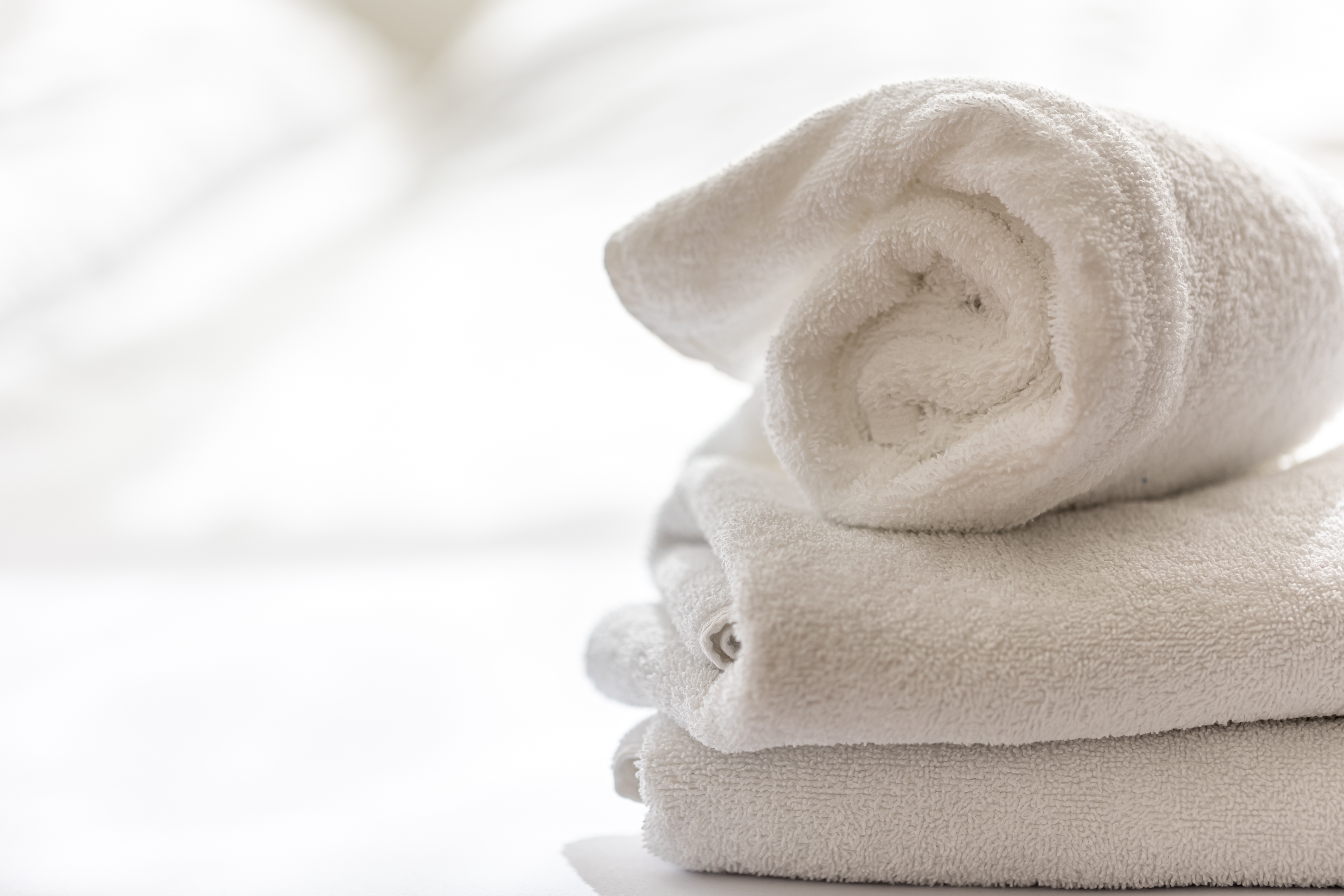
Over time, towels can become stiff or lose absorbency due to detergent residue or fabric breakdown. To maintain softness:
- Avoid excessive detergent: Too much detergent leaves residue that hardens fibers.
- Use vinegar as a natural softener: Add half a cup during the rinse cycle to remove detergent residue.
- Occasional fluffing in the dryer: Tumble dry on low heat to restore loft and absorbency.
These methods keep towels feeling comfortable and performing effectively.
Storage and Organization Tips
Proper storage contributes to hygiene and convenience:
- Keep towels in a dry space: Avoid storing in damp bathrooms.
- Fold or roll neatly: This prevents wrinkles and promotes airflow.
- Rotate regularly: Use older towels first to ensure even wear and reduce mildew risk.
A clean and organized towel storage system ensures towels remain fresh and ready for use.
Conclusion
Towel maintenance is more than a housekeeping chore—it’s essential for comfort, hygiene, and longevity. Proper washing, drying, and storage practices prevent bacteria growth, odors, and fiber damage while keeping towels soft and absorbent.
By adopting these habits, you’ll enjoy fresh, fluffy towels every day, contributing to a cleaner, healthier, and more comfortable home environment.
