


A baby’s skin is soft, sensitive, and far more delicate than an adult’s. That’s why laundry care for baby clothes and linens requires special attention. Harsh detergents, strong fragrances, and improper washing methods can lead to skin irritation, allergies, or discomfort.
Whether you’re a new parent or preparing for your baby’s arrival, understanding safe laundry practices will help ensure every onesie, blanket, and bedsheet is fresh, clean, and gentle on your little one’s skin.
Why Baby Laundry Needs Extra Care
Baby skin is about 30% thinner than adult skin, making it more prone to irritation and allergic reactions. Residues from regular detergents or softeners can linger on fabric fibers, potentially causing redness, dryness, or rashes.
Moreover, baby clothing and linens often come into contact with drool, milk spills, and diaper leaks—making proper hygiene essential. Babies also explore the world through touch and taste, so keeping fabrics clean and chemical-free helps maintain a healthy environment.
Choosing the Right Detergent
The detergent you use plays a critical role in baby laundry safety. Not all “gentle” products are baby-safe, so it’s important to read labels carefully. Look for detergents that are:
- Fragrance-free and dye-free: Perfumes and artificial colors can irritate baby skin.
- Hypoallergenic: Formulated to minimize allergic reactions.
- Dermatologist-tested: Ensures safety for sensitive or eczema-prone skin.
- Residue-free: Rinses out completely without leaving harsh chemicals behind.
Avoid bleach and fabric softeners, as these can be too harsh for baby fabrics. Instead, opt for baby-specific laundry detergents that clean effectively while maintaining fabric softness.
Pre-Washing New Clothes and Linens
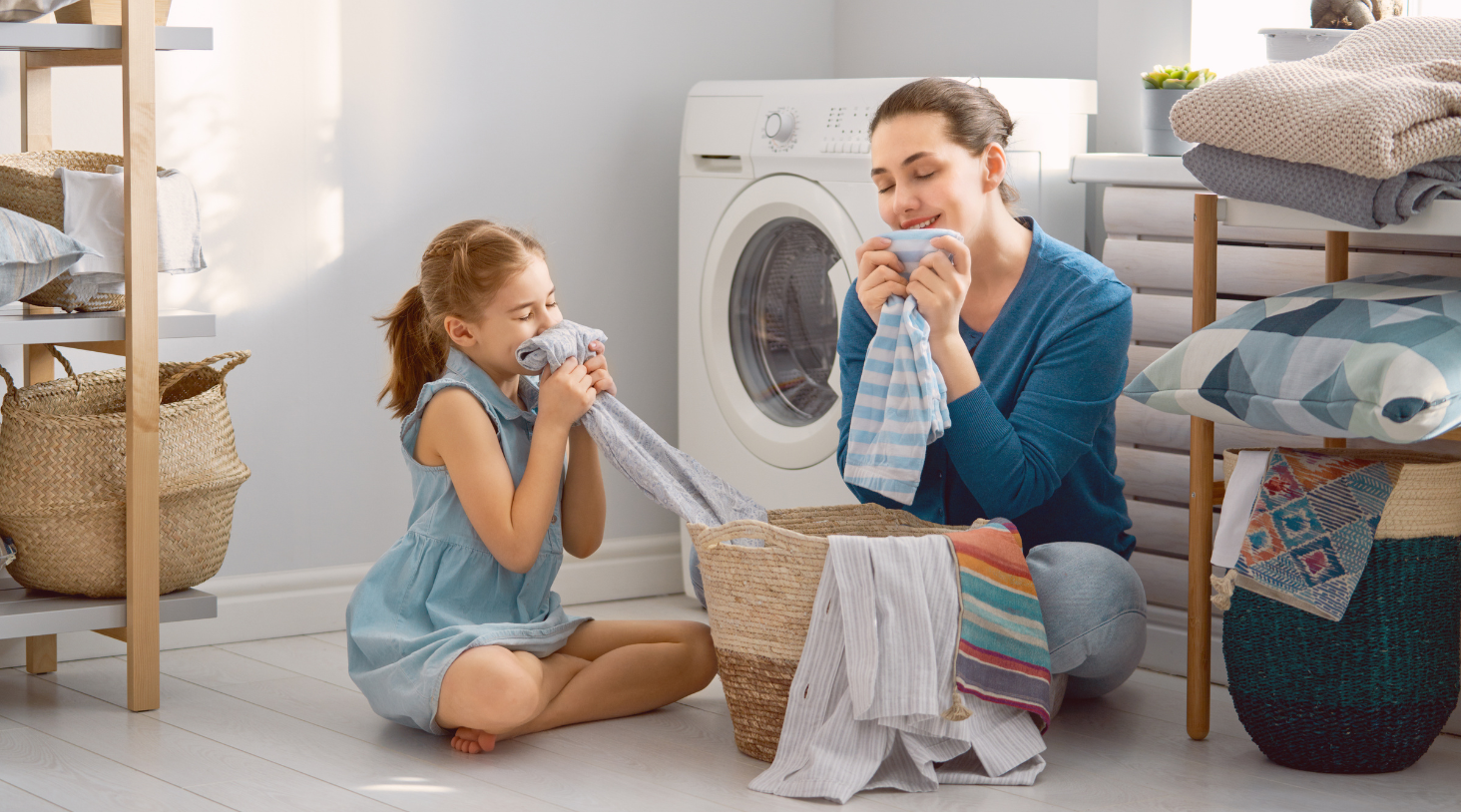
New baby clothes and linens may look clean, but they often carry residues from manufacturing, packaging, and handling. Before dressing your baby in new garments or using freshly bought bedding, always wash them first.
Pre-washing removes dust, dyes, and finishing chemicals, reducing the risk of irritation. Use mild detergent and cold or warm water, and rinse thoroughly to ensure all residues are gone.
Sorting and Preparing Laundry
Separating your baby’s laundry from the rest of the household helps maintain hygiene and prevent contamination. Follow these steps before washing:
- Separate by color: Wash whites, lights, and darks separately to avoid color bleeding.
- Remove fasteners: Zip up zippers and close Velcro tabs to prevent snags.
- Use a mesh laundry bag: Perfect for washing tiny socks, mittens, or delicate fabrics without losing them.
- Check care labels: Some baby items, such as organic cotton or muslin, may require gentle or cold wash cycles.
If your baby has sensitive skin or eczema, consider doing a second rinse cycle to ensure all detergent is removed.
Washing Tips for Baby Clothes
To keep baby clothes soft and clean without damaging fibers, follow these gentle washing practices:
- Use warm or cold water: Hot water isn’t necessary and may cause shrinking or fading.
- Avoid overloading the washer: Clothes need space to move freely for proper cleaning and rinsing.
- Skip fabric softener: It can leave a residue that irritates sensitive skin.
- Disinfect naturally: Add a small amount of white vinegar to the rinse cycle—it helps eliminate odor-causing bacteria without harsh chemicals.
For heavily soiled items (like cloth diapers or bibs), soak them in warm water with mild detergent before washing.
Drying Baby Clothes and Linens
Drying correctly is just as important as washing. Improper drying can make fabrics stiff or harbor bacteria. Here’s how to do it safely:
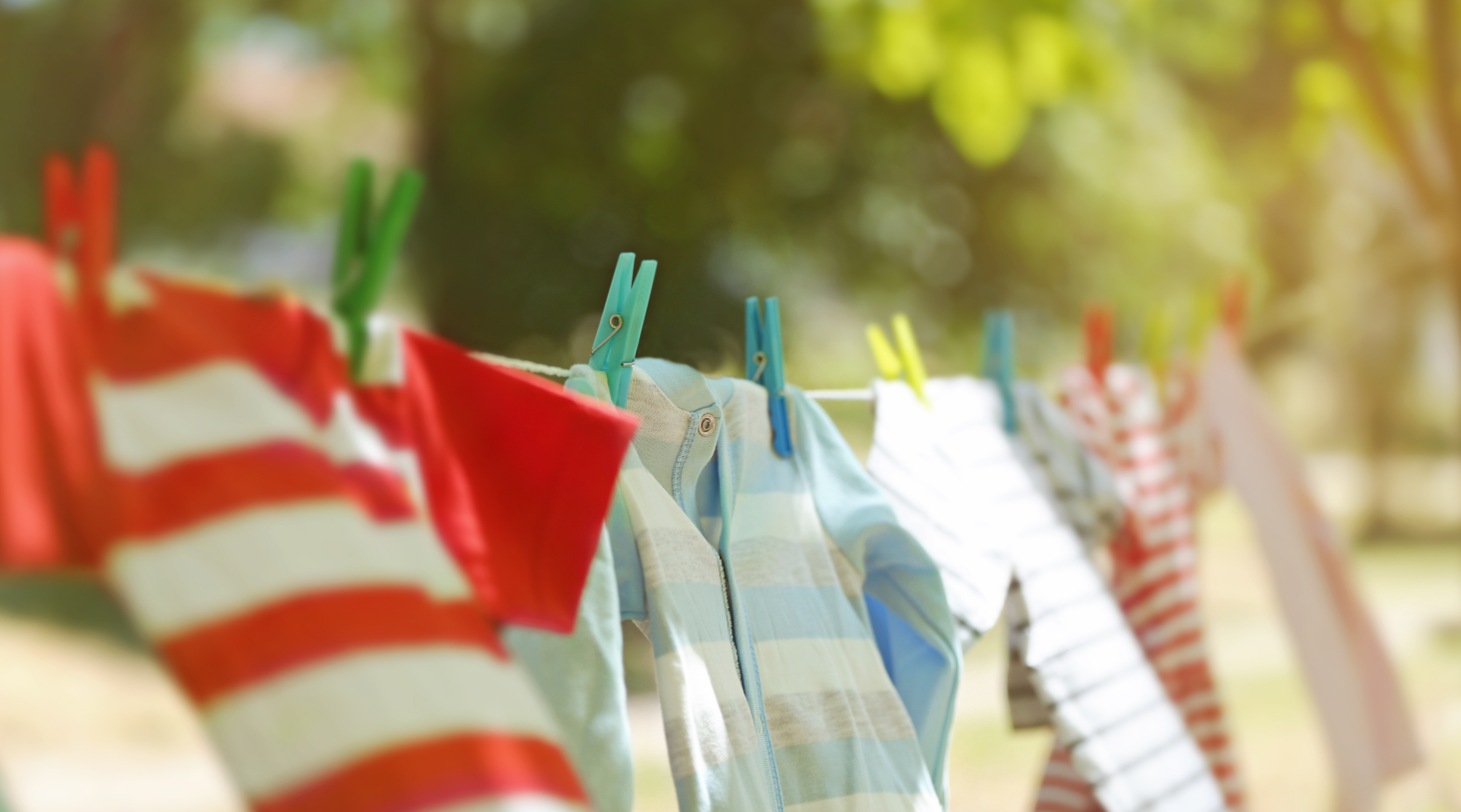
- Air dry whenever possible: Sunlight naturally disinfects and keeps fabrics soft.
- If using a dryer, choose low heat: High temperatures can weaken fibers and shrink garments.
- Avoid dryer sheets: They contain chemicals and fragrances that may cause irritation.
- Ensure complete drying: Damp fabrics can harbor mildew and odors, especially in humid environments.
To keep items soft, you can gently shake out baby clothes before hanging or drying them.
Caring for Baby Bedding and Linens

Your baby spends hours sleeping and resting, making clean bedding vital for health and comfort. Wash sheets, pillowcases, blankets, and swaddles once or twice a week using the same mild detergent.
If your baby has been sick, or if you notice drool stains or spit-up spots, wash immediately to prevent bacterial growth. Always dry bedding completely before reuse, as damp linens can irritate the skin or cause discomfort during sleep.
Handling Stains Safely
Baby clothes are bound to get stained—but skip harsh stain removers. Instead:
- Treat stains promptly with a mild detergent or a baking soda paste.
- For formula or milk stains, rinse in cold water before washing.
- For fruit or food stains, soak in warm water and gently rub the area before laundering.
Avoid chlorine bleach and opt for oxygen-based stain removers labeled safe for baby fabrics.
Ironing and Storage Tips
Some baby garments may require light ironing. Use the lowest heat setting and avoid spraying starch. For storage, fold clothes neatly and keep them in a clean, dry drawer away from moisture and dust.
Always store freshly washed linens and clothes only after they are completely dry to prevent mildew.
Conclusion
Caring for your baby’s laundry is about more than just cleanliness—it’s about protecting their delicate skin and ensuring their comfort. By using gentle detergents, washing properly, and avoiding harsh chemicals, you can keep baby clothes and linens fresh, soft, and safe.
With these simple yet effective laundry practices, you’ll give your baby the best start—wrapped in comfort, care, and cleanliness.
