


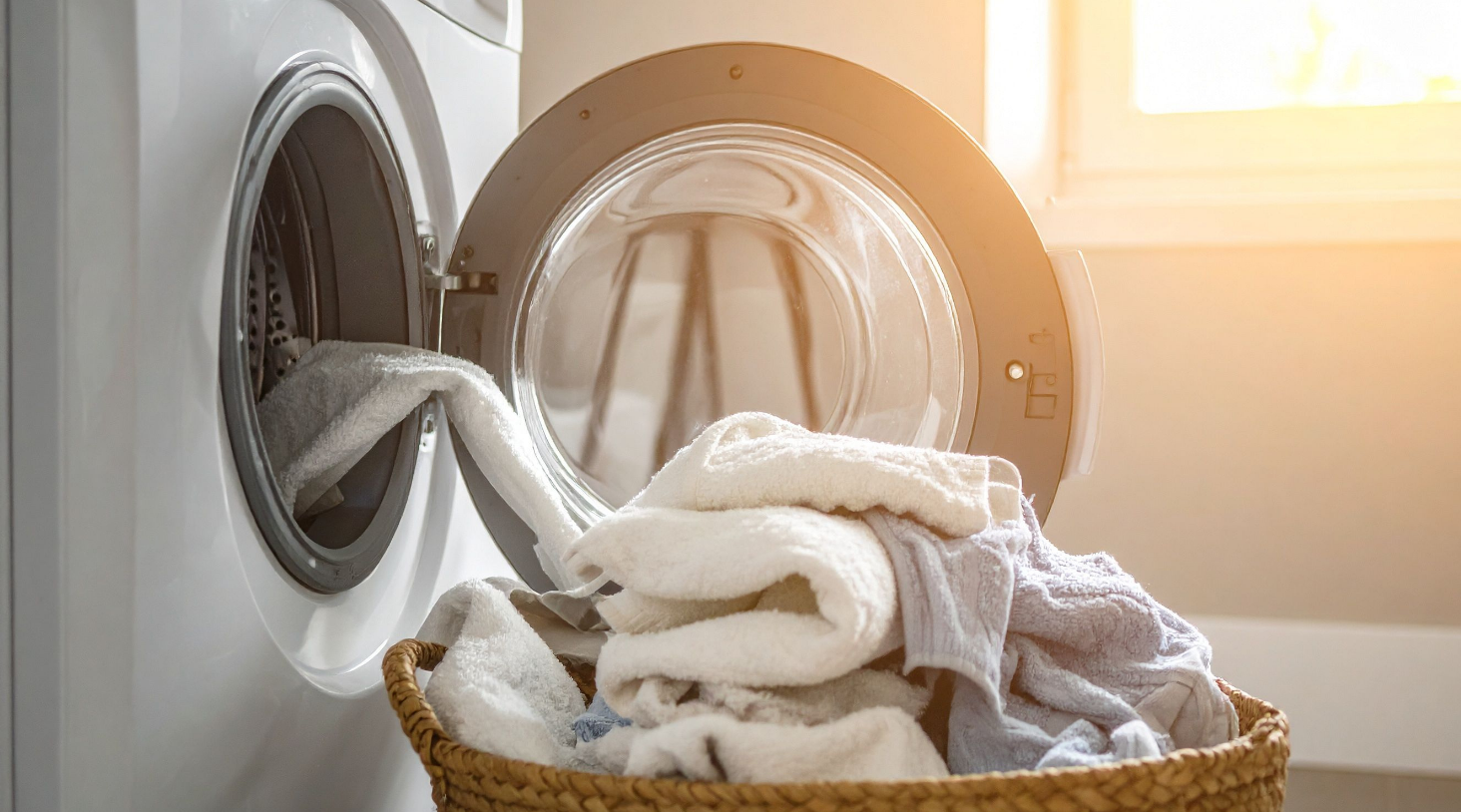
Ozone laundry technology is an innovative cleaning method that uses ozone (O₃) gas dissolved in water to sanitize and brighten fabrics. Instead of relying solely on hot water and detergents, professional laundries infuse ozone into wash cycles, offering powerful sterilization, energy savings, and eco-friendly results.
This technology is gaining traction among commercial laundries, hotels, and wellness businesses like Laundry Bangkok that prioritize hygiene, sustainability, and fabric longevity.
How Ozone Technology Works
When ozone gas is injected into water, it breaks down into oxygen and reactive molecules that destroy bacteria, viruses, mold, and odors. This oxidative action occurs at low temperatures, allowing for effective cleaning in cold or warm water—bypassing the need for hot washes while ensuring sanitation and freshness.
Health and Hygiene Benefits
Ozone's powerful disinfecting properties make it ideal for sanitizing towels, linens, uniforms, and healthcare textiles. It eliminates pathogens without leaving chemical residues, making it suitable for allergy-sensitive environments, spas, and clinics. Its natural decomposition also means no harsh chemical by-products are left behind.
Energy and Water Efficiency
By enabling cold-water washing and reducing rinse cycles, ozone laundry systems significantly cut energy and water usage. Many businesses report 25–40% savings in utilities due to lower heating demands and less overall water consumption—helping both environmental and financial goals.
Gentle on Fabrics
Hot water and mechanical agitation can degrade fibers over time. Ozone’s cold-water process minimizes damage, preserving color, texture, and elasticity—helping towels and linens stay in premium condition longer and reducing replacement costs.
Green and Sustainable Choice
By eliminating the need for bleach and harsh detergents, ozone technology minimizes chemical pollution. It also reduces carbon emissions through lower energy usage. Many eco-conscious establishments highlight ozone laundry as a selling point, showcasing their commitment to sustainable practices.
Operational Considerations
Investing in ozone laundry systems requires professional installation, safety protocols, and trained staff. Ozone is a strong oxidizer in concentrated form and must be properly dissolved and vented. Equipment maintenance and monitoring are essential to ensure performance and safety.
Cost and ROI
Initial setup for ozone laundry includes specialized generators and system retrofits—costs that vary based on load size and laundry volume. However, savings in energy, water, detergent, and linen replacement often lead to a return on investment within 2–4 years for high-usage operations.
Compliance and Safety Standards
Safe ozone use requires meeting local regulations for air and water quality. Ozone laundry systems must include sensors, extraction systems, and automatic shutdowns to prevent harmful ozone exposure. Proper certification and adherence to industry standards ensure safe operations.
Conclusion
Ozone laundry technology offers a compelling solution for businesses prioritizing hygiene, sustainability, and cost savings.
By enabling cold-water sanitation, reducing environmental impact, and extending fabric life, it presents a modern approach to professional laundering in Bangkok.
With responsible implementation and trained operators, ozone systems can elevate cleaning standards while delivering measurable benefits.
