


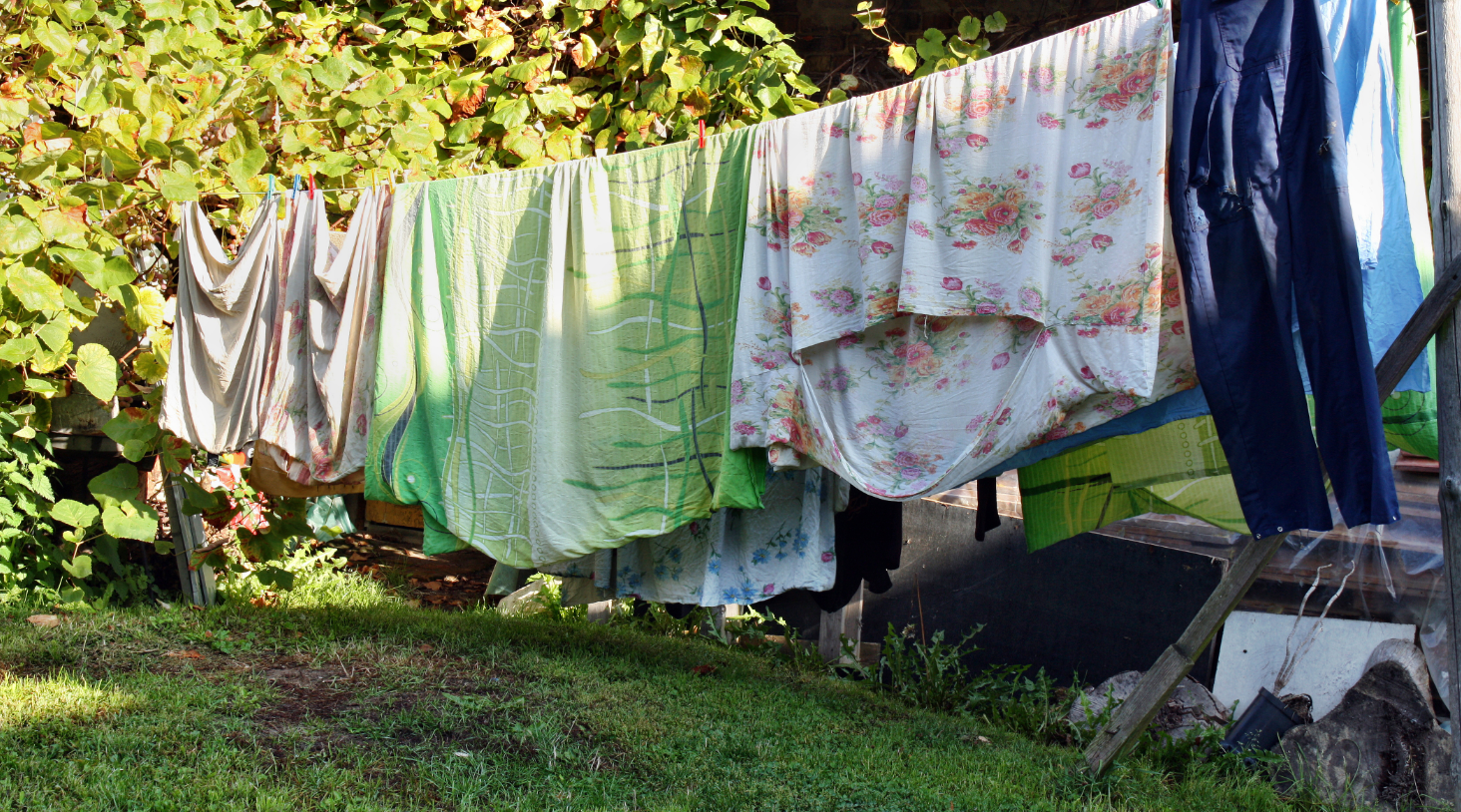
Air-drying laundry is an energy-efficient and environmentally friendly method, but in humid environments like Bangkok, it can come with significant risks. High humidity levels slow down the drying process, creating ideal conditions for bacteria, mildew, and unpleasant odors. Understanding these risks and adopting proper precautions can help keep clothes fresh, clean, and safe for use.
This guide explains the challenges of air-drying laundry in humid climates and offers practical solutions for maintaining hygiene and fabric integrity.
Slow Drying Increases Bacterial Growth
In humid climates, moisture in the air slows the evaporation of water from fabrics. Clothes that remain damp for extended periods provide a breeding ground for bacteria and fungi:
- Bacterial accumulation: Sweat, skin cells, and dirt left on damp clothing can multiply rapidly.
- Potential skin irritation: Wearing clothes contaminated with bacteria may cause rashes or discomfort.
- Unpleasant odor: Microbial growth contributes to the musty smell often associated with air-dried laundry in humid environments.
Proper ventilation or alternative drying methods can help mitigate these risks.
Mildew and Mold Formation

High humidity combined with damp clothing can encourage mold and mildew growth:
- Visible spots: Dark spots may appear on fabric, which can be difficult to remove.
- Health hazards: Mildew can trigger allergies, respiratory issues, or exacerbate asthma.
- Fabric damage: Prolonged exposure to mold can weaken fibers, leading to deterioration or staining.
Regular monitoring and proper drying techniques are essential to prevent mildew on laundry.
Odor Development
Even if bacteria or mold are not visible, prolonged dampness can cause lingering musty odors:
- Difficult to remove: Musty smells may persist despite rewashing.
- Reduced comfort: Wearing odor-laden clothes can be unpleasant and affect personal hygiene perception.
- Compounded by poor airflow: Indoor drying without proper ventilation increases odor intensity.
Adding natural odor-neutralizing agents during washing, like vinegar or baking soda, can help minimize smell.
Fabric Degradation and Stiffness
Excessive humidity during air-drying can affect fabric quality:
- Weakened fibers: Prolonged moisture exposure can reduce fabric strength.
- Stiffness and roughness: Clothes may feel stiff or scratchy if dried slowly in a damp environment.
- Color fading or spotting: High humidity can sometimes cause discoloration or uneven drying marks.
Combining careful washing with appropriate drying conditions helps preserve garment longevity.
Increased Risk for Certain Garments
Some types of clothing are particularly vulnerable in humid climates:
- Cotton and natural fibers: Retain moisture longer and are prone to mildew.
- Delicates: Silk, satin, and lace can weaken or lose shape if slow-dried.
- Towels and bedding: Thick fabrics dry slowly, encouraging microbial growth and odors.
Prioritizing drying methods for these fabrics can help maintain hygiene and comfort.
Tips for Safe Air-Drying in Humid Environments

Despite the challenges, air-drying can still be effective with precautions:
- Maximize ventilation: Dry laundry near open windows, fans, or air vents.
- Use dehumidifiers: Reduce indoor humidity to speed up drying and prevent bacterial growth.
- Avoid overcrowding: Hang clothes with enough space for airflow to circulate around each garment.
- Rotate and shake: Fluff or rotate clothes during drying to prevent damp spots.
- Use indoor drying racks near airflow sources: Avoid confined, stagnant areas where moisture accumulates.
- Consider hybrid drying: Partially air-dry and finish with low-heat tumble drying for thicker fabrics.
These practices help ensure laundry dries efficiently, minimizing microbial risks and odors.
When to Consider Alternative Drying Methods
If humidity is consistently high, it may be safer to use alternative drying options:
- Tumble dryers: Fast, efficient, and reduce bacterial growth.
- Heated drying racks: Help dry clothes indoors without relying on outdoor conditions.
- Laundry services: Professional laundries often provide hygienic, fast drying solutions.
Choosing the right drying method can protect both the clothes and the wearer’s health.
Conclusion
Air-drying laundry in humid climates like Bangkok has clear risks: slow drying encourages bacteria, mildew, odors, and fabric wear. However, with proper precautions such as maximizing ventilation, using dehumidifiers, and spacing clothes correctly, these risks can be minimized.
Understanding the challenges of humid laundry conditions allows you to maintain fresh, clean, and hygienic garments, ensuring comfort, safety, and clothing longevity even in tropical climates.
