



Managing laundry can feel overwhelming, especially in a busy household. Between work, school, and family activities, finding time to wash, dry, and fold clothes often feels impossible. However, establishing a practical laundry routine can simplify the process, save time, and keep everyone’s wardrobe fresh and organized.
This guide offers actionable strategies for creating a laundry system that works even in the busiest homes.
Assess Your Household Laundry Needs
The first step in establishing a routine is understanding your household’s laundry demands:
- Number of household members: More people = more laundry.
- Types of clothing: Workwear, uniforms, delicate fabrics, and everyday clothing require different care.
- Frequency of use: Consider how often towels, bedding, and sportswear need washing.
By knowing your laundry load, you can develop a realistic schedule and avoid last-minute washing stress.
Create a Laundry Schedule

Scheduling laundry ensures tasks are spread evenly throughout the week rather than piling up:
- Daily small loads: Ideal for families with many members, washing a few items each day prevents overload.
- Designated laundry days: Assign specific days for bedding, towels, or delicate items.
- Time-blocking: Dedicate a consistent time slot for washing and folding to build a habit.
A routine reduces stress, prevents clothing backlog, and keeps the household organized.
Sorting for Efficiency
Proper sorting saves time and prevents damage:
- Separate by color: Whites, lights, and darks should be washed separately to avoid bleeding.
- Sort by fabric type: Delicate fabrics like silk or lingerie should be washed separately or in a mesh bag.
- Pre-treat stains: Spot-treat visible stains before washing to improve cleaning results.
Having dedicated laundry baskets for each category helps streamline the sorting process.
Simplify Washing Methods
Optimizing washing practices can save both time and energy:
- Use full loads when possible: Running full loads reduces energy and water usage.
- Select the right cycle: Delicate, quick wash, or heavy-duty cycles should match the load type.
- Use multi-purpose detergents: A gentle detergent suitable for various fabrics minimizes the need for multiple products.
Modern washing machines with timers or delayed start features also allow laundry to run overnight or while you’re out, saving valuable daytime hours.
Efficient Drying Techniques
Drying is often the most time-consuming part of laundry. Consider these tips:
- Air drying vs. machine drying: Air dry delicates or shrink-prone fabrics, and use the dryer for sturdier items like towels and jeans.
- Maximize dryer efficiency: Clean the lint filter regularly and avoid overloading.
- Strategic placement: Hang clothes in well-ventilated areas to speed up drying and reduce mildew risk.
Quick and efficient drying helps keep laundry moving smoothly through the routine.
Folding and Organizing
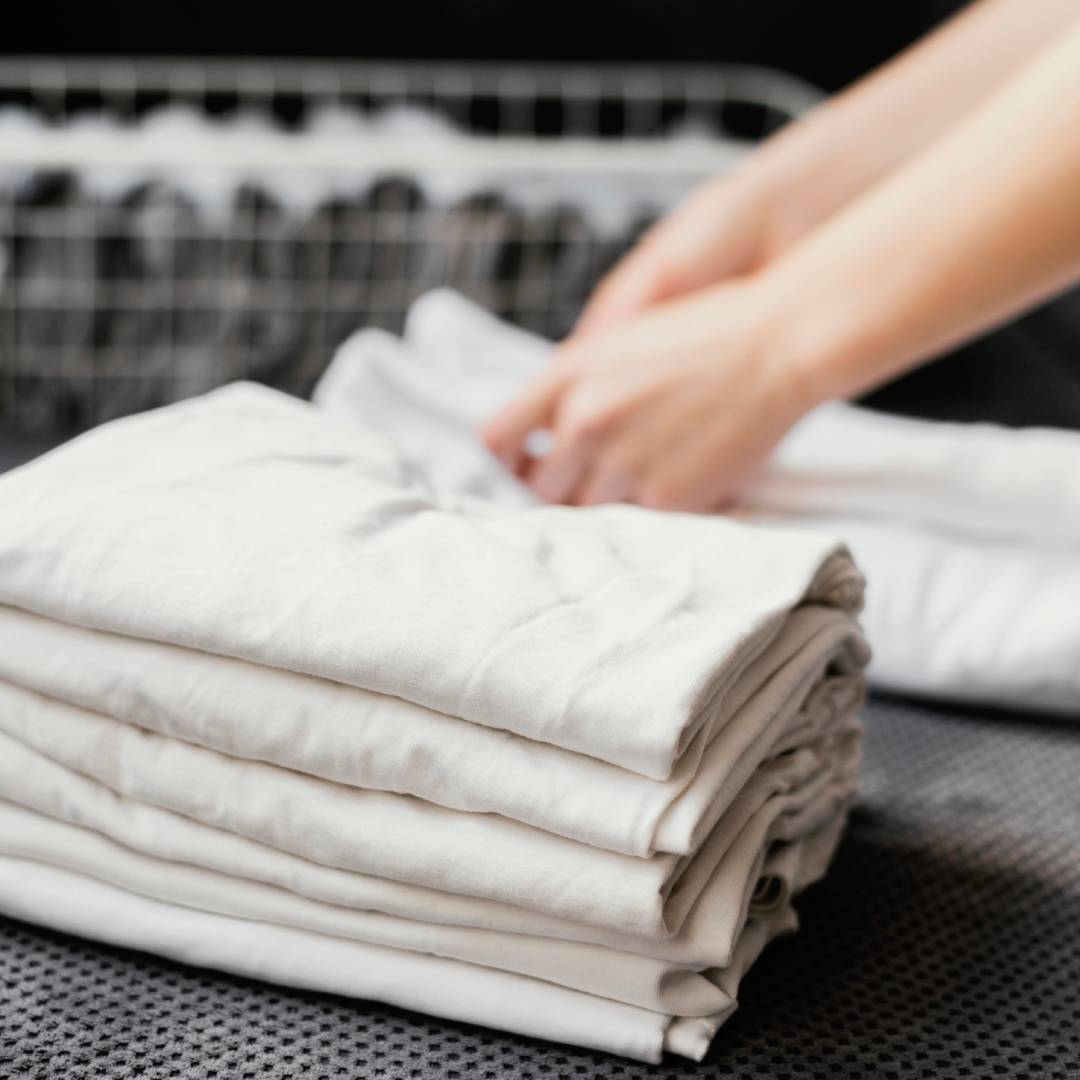
Folding and storing laundry promptly maintains order:
- Fold immediately: Prevents wrinkles and reduces the temptation to leave clean clothes in baskets.
- Involve household members: Encourage children or partners to fold their own clothes.
- Use storage solutions: Drawer organizers, shelving, and closet dividers help keep clothes accessible and tidy.
An organized storage system ensures clothing is ready to wear and reduces repeated laundry cycles caused by misplaced items.
Tips to Make Laundry Less Stressful
A few extra strategies can help busy households maintain a manageable routine:
- Set reminders: Use phone alarms or calendar alerts to stick to your laundry schedule.
- Batch similar tasks: Wash towels, bedding, and daily clothes on the same day to consolidate effort.
- Minimize ironing: Hang clothes immediately after drying to reduce wrinkles.
- Declutter regularly: Fewer clothes mean fewer loads and less sorting time.
Implementing these tips saves time and keeps laundry from becoming a household chore burden.
Maintaining Consistency
Consistency is key to a successful laundry routine:
- Track progress: Check off laundry tasks on a household chart or app.
- Adjust the routine: Adapt based on seasonal clothing changes, school schedules, or work commitments.
- Stay flexible: While consistency helps, allow flexibility for unexpected busy days to prevent stress.
Over time, a consistent routine becomes second nature, ensuring clothes stay clean and households stay organized.
Conclusion
Establishing a practical laundry routine is essential for busy households. By assessing laundry needs, creating a schedule, sorting efficiently, and streamlining washing, drying, and folding, you can save time, reduce stress, and keep clothes fresh and organized.
With small, intentional steps, laundry becomes less of a chore and more of a manageable household task, ensuring every member of the family always has clean, ready-to-wear clothing.
